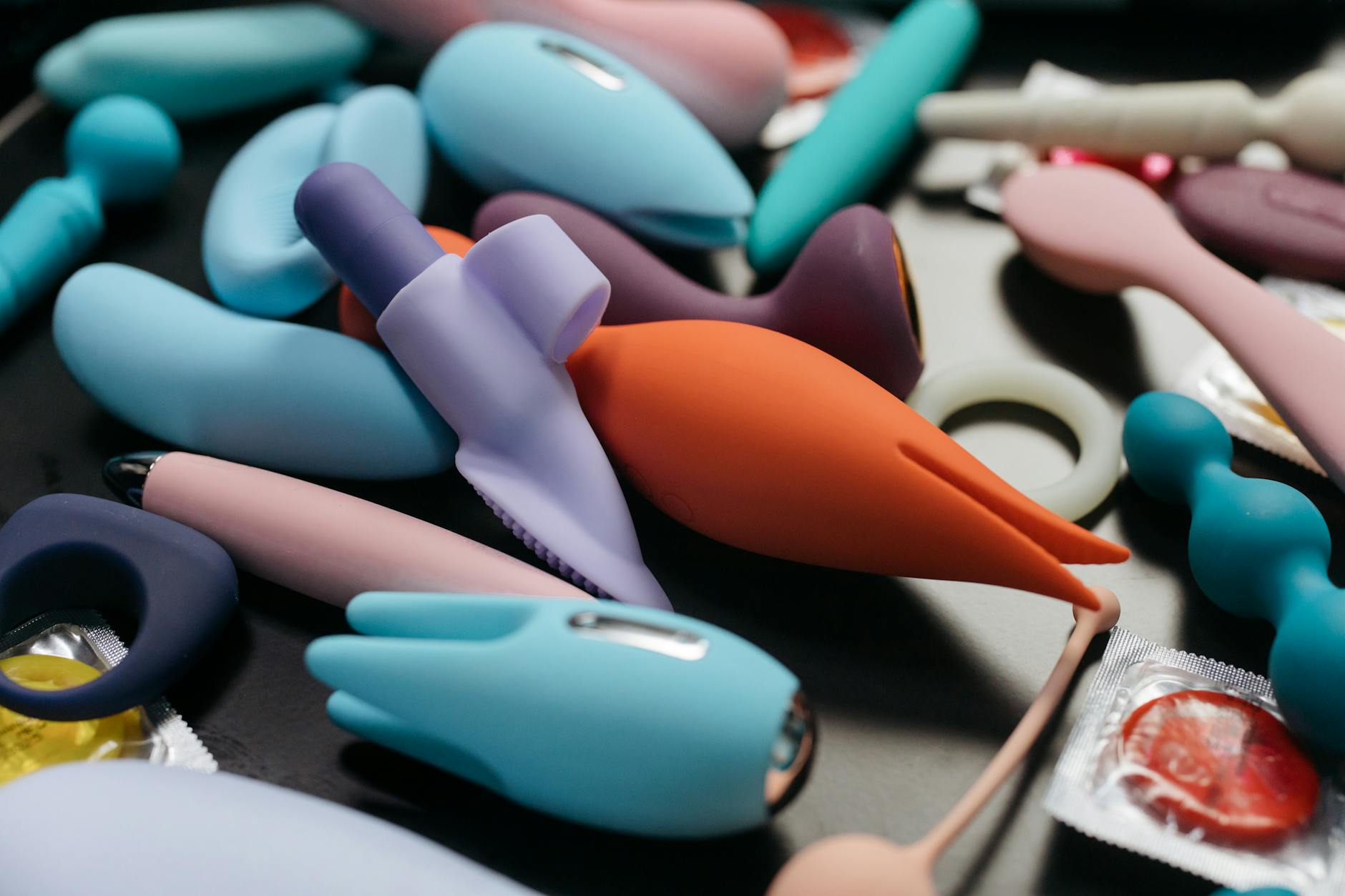
Why Lemon Vibrators Work Better When Sensation Feels Numb After Depression
Depression and depression medication both flatten pleasure signals. Here's how air-suction clitoral vibrators help you rebuild sensation from the ground up.
Depression doesn't just make you sad. It kills sensation. Your brain stops firing pleasure signals the way it used to. Food tastes like cardboard. A song you loved feels like background noise. And sex? Either it doesn't happen, or it happens and you're not really there.
Then you start an antidepressant. Which helps with the fog, which helps with the motivation. But now pleasure is still muted. This is one of the cruelest parts of depression treatment that nobody warns you about.
I work with a lot of people navigating this exact thing. The good news: sensation can come back. It just needs the right conditions and sometimes the right tool.
Depression flattens dopamine and serotonin. Those aren't just mood chemicals. They're the chemicals that make pleasure feel like pleasure. Your clitoris still has all its nerve endings. Your body can still respond. But the electrical message "this feels amazing" is being lost somewhere between the nerve and your brain.
Add an SSRI or SNRI antidepressant to the mix, and you get a similar but slightly different problem. These medications increase available serotonin, which is usually good. But they can also dampen the arousal phase of the sexual response cycle. Studies suggest between 30 and 60 percent of people on SSRIs report changes in sensation or difficulty reaching orgasm. That's not a personal failing. That's brain chemistry.
The weird part? Sensation often returns as depression lifts. Sometimes it takes weeks. Sometimes months. But the waiting is unbearable.
When sensation is flattened, traditional vibrators often feel like nothing. They're trying to build arousal on a system that's not firing. It's frustrating and can make you feel more broken than you already feel.
Air-suction vibrators, including the Lem, work differently. Instead of relying on vibration to create sensation, they use gentle pulsing air to stimulate the thousands of nerve endings in and around your clitoris. The mechanism is gentler but also more direct. It's like the difference between someone tapping your shoulder and someone putting their hand on your shoulder and holding pressure. One might feel like nothing when you're numb. The other you might actually notice.
Here's the clinical part: air-suction devices provide broader, more diffuse stimulation across the entire clitoral region. When you're in a low-sensation state, this wider field of stimulation can help activate dormant pleasure pathways. You're not looking for one perfect spot. You're waking up the whole system.
If depression has made you feel like sensation is gone, here's how to approach it without adding shame.
Start with zero expectation of orgasm. Seriously. You're not trying to come. You're just trying to feel something. Anything. Titillation is a waste of energy right now.
Use the lowest settings first. The Lem has multiple intensity levels. Start at one. Spend a full week or two there. You're remapping a path in your brain, not powering through.
Time it right. Use it when your mood is least heavy. If you have mornings that are better than nights, use mornings. Depression's symptoms shift throughout the day. Catch the window when you have a tiny bit more access to pleasure.
Touch your own body first. Before turning on the vibrator, spend a few minutes touching your skin. Your thighs, your breasts, your vulva. Just noticing. This teaches your nervous system that touch is safe and interesting again. Depression can make your body feel like a stranger.
Some notice a slow, steady return to sensation. A warmth that wasn't there before. A sense of anticipation. It might take two to four weeks of consistent use, but it builds.
Others hit a plateau. Sensation returns to 60 percent and stalls there. This is where patience matters. Keep using the lemon clitoral vibrator the same way. Don't increase intensity to chase feeling. Often, after another two weeks, something shifts and sensation jumps again.
A third group notices that sensation returns unevenly. Maybe the left side of the clitoris wakes up before the right. Maybe you can feel pressure but not texture. This is normal. You're not broken. Your nervous system is coming back online in its own order.
The thing I emphasize with clients: use the vibrator as a conversation with your body, not a test you're passing or failing. If you use it and feel nothing, that's information. You tried. Your body heard you. Sometimes the answer is "not yet." Sometimes it's "try again tomorrow."
A lemon clitoral vibrator is a tool. It's not therapy. If depression is the underlying cause of numbness, treating the depression itself matters most. This means talking to your doctor about whether your current medication is working, whether you need to adjust the dose, or whether a different antidepressant might suit you better.
Some people find that the combination works: medication plus therapy plus gentle exploration with a vibrator. Others find that switching antidepressants makes more difference than anything else. There's no one right answer.
If you're using a vibrator as a way to avoid addressing the depression itself, that's worth noticing. Pleasure tools are great. They're not a replacement for mental health care.
If you're in a relationship, this can feel complicated. You're numb. Your partner might interpret that as disinterest in them. It's not. And it matters to say that out loud.
I usually suggest: "My body is rebuilding sensation. I'm going to need time and space to do this. Here's how you can help." That might mean solo time with the vibrator. It might mean your partner understands that sex looks different right now. It might mean you're spending more time on non-sexual touch while pleasure pathways wake up.
The worst thing you can do is pressure yourself into sex because you think you should feel something by now. That just teaches your nervous system that pleasure is an obligation. Which it's not.
Honestly though: there's no universal timeline. Some people report that sensation returns within two to three weeks of consistent use. Others need three months. A few find that switching medications made more difference than the vibrator itself.
What I know for sure: depression is temporary. Antidepressant side effects often improve over time. Numbness can lift. And tools like lemon vibrators can help speed that along, but they can't force it.
Your pleasure matters. Your body matters. And you don't have to feel guilty for needing a tool to help your nervous system remember how to feel.
No. Antidepressant-related sexual side effects are usually temporary and often improve as your body adjusts to the medication or as your depression lifts. If they persist beyond three to six months, talking to your prescriber about switching medications is fair. Some antidepressants have lower rates of sexual side effects. Your pleasure is worth optimizing for.
Completely normal. Depression flattens pleasure signals, so even direct stimulation might feel like static. This doesn't mean the vibrator is broken or that you're broken. It means your nervous system is in a low state. Using one gently and consistently can help wake it up, but there's no magic timeline.
They feel similar but come from slightly different places. Depression itself numbs pleasure by lowering dopamine and motivation. Antidepressants can cause a similar numbness by dampening the arousal phase, even as they improve mood. If you suspect your medication is the culprit, mention it to your doctor. You might need a dose adjustment or a different medication.
Not necessarily. Stopping can sometimes feel like you're giving up or admitting defeat. Instead, think of it as a practice. You're not using the vibrator to come. You're using it to send your body a signal: "I'm paying attention to you. Pleasure is still here somewhere. Let's find it together." That's enough.
Absolutely. Antidepressants and vibrators are not at odds. In fact, they can work together. The medication is handling brain chemistry. The vibrator is providing direct physical stimulation. Some people find that as the antidepressant starts working and mood improves, the vibrator becomes more effective. Others find the vibrator helps them stay connected to their body while the medication does its slower work.
Depression usually comes with other signs: low mood, fatigue, loss of interest in things you normally enjoy, changes in sleep or appetite. Numbness to pleasure is one piece of a larger pattern. If you're only noticing numbness and nothing else, it might be worth exploring other causes with a doctor. But if depression is part of your life right now, it's almost certainly part of this too.
Depression takes things from you. Clarity. Energy. Hope. And pleasure. Taking back pleasure, even gently and slowly, is an act of self-respect. Using a lemon sexual toy like the Lem isn't giving up on natural sensation. It's actively choosing to rebuild it. That matters.
If you're struggling with depression and the effect it's having on your body, talking to a therapist or counselor can help. And if you want to explore tools that might help sensation return, we're here. Reach out at /contact if you have questions about whether a lemon vibrator might work for you.