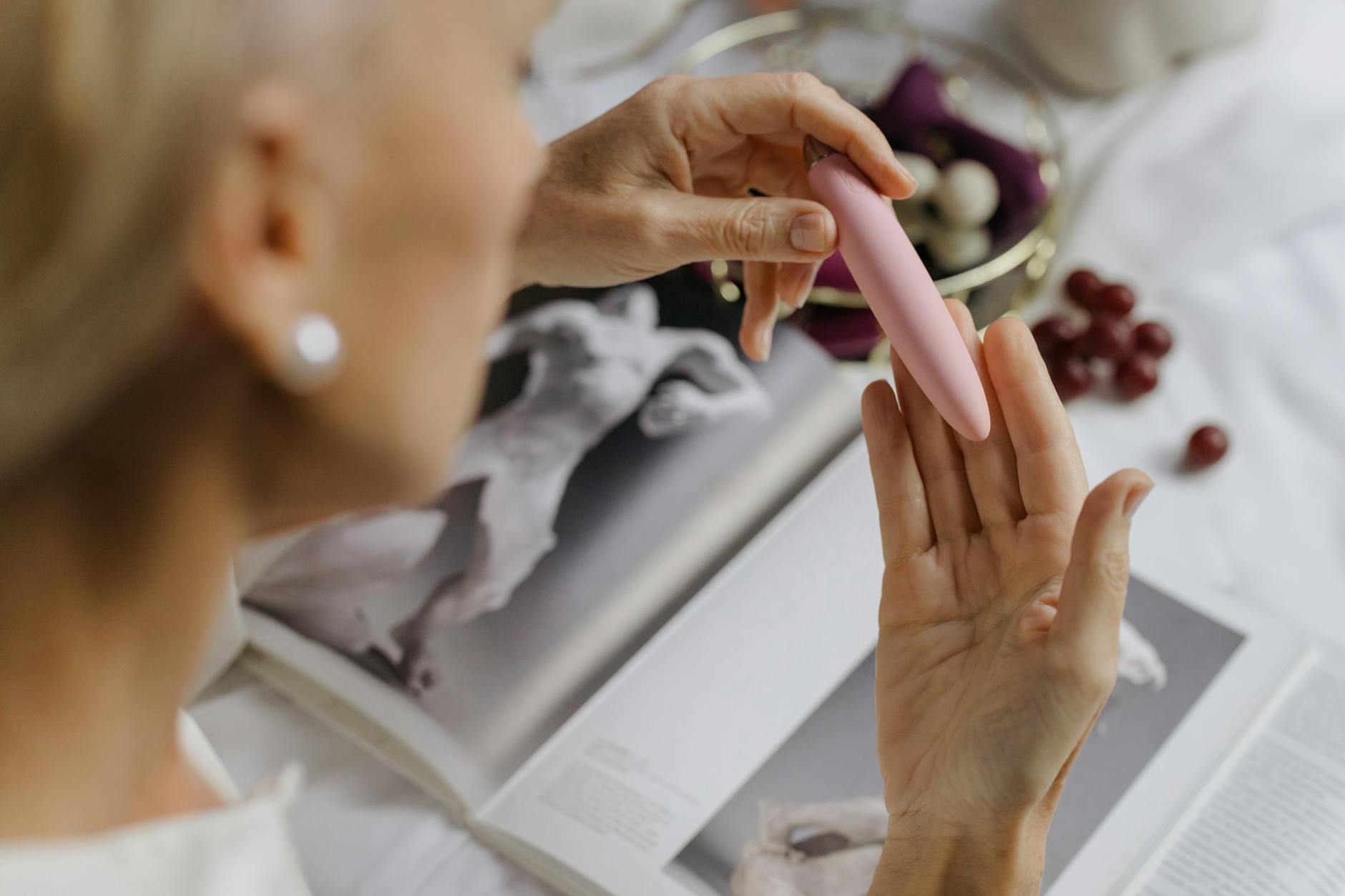
How to Use Lemon Vibrators When You Return to Sex After Grief
When loss flattens desire and touch feels foreign again. A guide to rebuilding arousal after bereavement, and why your body needs a different kind of patience.
Honestly, grief and sex don't usually show up in the same conversation. But they should. When you lose someone important, your nervous system doesn't just mourn. It goes into lockdown. Your body stops looking for pleasure. Touch feels like it belongs to someone else. And that's completely normal.
What's less talked about is what happens next. A few months or years later, you're ready. Your partner might be ready. But your body hasn't gotten the memo. That's where most people get stuck. Not because something is broken, but because grief changes how arousal works. And returning to sex after loss needs a completely different strategy than, say, recovering from depression or medication side effects.
When you experience acute grief, your brain literally deprioritizes pleasure. Your parasympathetic nervous system (the part that handles rest, digestion, and arousal) goes quiet. The sympathetic nervous system (fight, flight, freeze) takes over. This is survival mode. Your body doesn't know the difference between "I lost someone" and "I'm in danger." Both trigger the same shutdown.
The problem is that grief can linger in your body even after your mind accepts the loss. Months after you've talked about it, cried about it, and moved into a new version of normal, your tissues still remember the freeze. Your pelvic floor stays tight. Your arousal response stays slow. Touch can feel intrusive rather than soothing.
What makes returning to sex after grief different from other arousal challenges is this: it's not just about sensation or hormones. It's about whether your nervous system believes it's safe to feel good again.
A lemon vibrator like the Nancy Lem uses gentle suction rather than constant vibration. This matters enormously after grief. Here's why.
Traditional vibrators demand active engagement. You have to move into them, control the pressure, decide on intensity. When you're grieving, that level of control can feel exhausting. You're already managing so much. The last thing you want is another decision to make during sex.
The Lem's suction pattern is different. It creates a sustained, predictable sensation that your nervous system can actually relax into. There's no jerky vibration, no need to adjust angle or pressure. Just a gentle, rhythmic pull that your body can start to trust. For many people rebuilding after grief, that predictability is the whole point. Your nervous system needs permission to relax. The Lem gives it that.
Here's what I tell most clients returning to sex after loss. Forget everything you knew about your old arousal timeline. It's gone. That's not sad. It's just true.
With grief in your system, arousal takes radically longer to build. We're talking 30 to 45 minutes sometimes, just to feel the first flutter. This is not dysfunction. This is your nervous system being cautious. Respect that.
Budget time like you would for a bath or a massage. Not like you're fitting sex between dinner and sleep. Thirty to forty-five minutes without an endpoint. No pressure to orgasm. Just permission to feel whatever comes.
Start with touch that isn't about sex at all. This is called non-sexual intimacy. Hold hands for five minutes. Kiss without it going anywhere. Let your partner massage your shoulders. The goal is to teach your nervous system that touch is safe, not dangerous.
Only after your body has relaxed into touch should you introduce the Lem. Start at the lowest setting. Spend ten minutes there, just breathing. This is the part where most people rush. Don't. Your grief is patient. Your returning arousal needs to be too.
Here's the thing nobody warns you about. Sometimes halfway through, grief comes back. You're getting aroused, feeling good, and suddenly your person isn't here. Or you feel guilty for feeling good when they're gone. Or you feel afraid that pleasure means you're moving on too fast.
These aren't signs to stop. They're just signs that grief is still living in your body. Expected and normal.
Talk to your partner about this beforehand. Say it plainly. "Sometimes I might get emotional. That doesn't mean stop. It means I'm processing." Or actually, it might mean stop. You get to decide in the moment. But having language for it makes the difference between feeling ashamed and feeling supported.
If you're navigating this solo, give yourself the same grace. Grief doesn't move in a line. Some days arousal will feel impossible. Other days it will surprise you. Both are fine. The Lem is a tool that waits. It doesn't care how long it takes.
Most people think the barrier to returning to sex after grief is physical. Your libido isn't back. Your body feels numb. You need the right tool or the right technique.
But usually, the real barrier is psychological. You feel like you're not allowed to want pleasure again. Or you're worried that feeling good means you didn't love them enough. Or sex itself feels like a betrayal of the person you lost.
I want to be direct here. Pleasure is not a betrayal. Desire is not disloyalty. Your body wanting touch and connection doesn't erase your love or speed up your grief. It actually helps. Physical pleasure activates the parasympathetic nervous system. It teaches your body that safety and softness are still possible. That's not moving on. That's healing.
Using a lemon vibrator, rebuilding arousal with your partner, feeling alive in your body again. These are not shortcuts through grief. They're part of the path through it.
If you're still unable to feel any arousal after a year or more, or if touch itself feels traumatic, that's worth talking to someone about. Not a sex therapist necessarily, but a grief counselor or trauma-informed therapist who understands how loss lives in the body. Many people benefit from somatic therapy, which works directly with the nervous system rather than talking about feelings.
Also consider this. If you're returning to sex with a partner and resentment is showing up, that needs air before you bring the Lem into the bedroom. Grief can expose cracks in a relationship that were already there. Sex isn't the fix for that. Honest conversation is.
Returning to pleasure after grief is slower than you might want. It's more fragile. It requires more patience than you thought you had.
But here's what I've watched happen with hundreds of clients. Once you give yourself permission to rebuild slowly, arousal starts coming back. Not in a rush. But steadily. Your nervous system slowly learns that your body is a place where good things can still happen. That pleasure doesn't mean disloyalty. That wanting touch doesn't erase the person you lost.
A lemon clitoral vibrator works in this context not because it's magic, but because it gives you something predictable to lean into while your nervous system remembers how to trust. Start low. Start slow. Give yourself the time grief actually needs.
Completely normal. Grief triggers a lot of conflicting emotions. Pleasure can feel like a betrayal, especially early on. But consider this. The person you lost probably wanted you to be okay. They probably wanted you to feel joy again. Giving yourself permission to experience pleasure isn't betraying their memory. It's honoring their investment in you.
There's no timeline. Some people are ready after weeks. Others need years. Your body will tell you. The sign isn't "I think I should be ready." It's "I actually want touch again." That's when you listen.
Yes, but not immediately. Numbness after grief is neurological, not mechanical. The Lem can help retrain your nervous system to recognize pleasure, but only if you give it consistent, patient time. We're talking weeks or months of gentle use, not weeks of expecting sensation to suddenly return.
Both have merit. Alone, you can go at your own pace without worrying about anyone else. With a partner, you rebuild that shared intimacy. Start where you feel safest. You can always shift later.
Talk to a grief counselor or somatic therapist. Sometimes the nervous system needs professional help learning to trust again. That's not failure. That's actually getting the right support.
Yes. After grief, predictability and gentleness matter more than sensation or intensity. The Lem's sustained suction is genuinely better suited to rebuilding than traditional vibrators. Your nervous system needs something it can relax into, not something demanding attention.