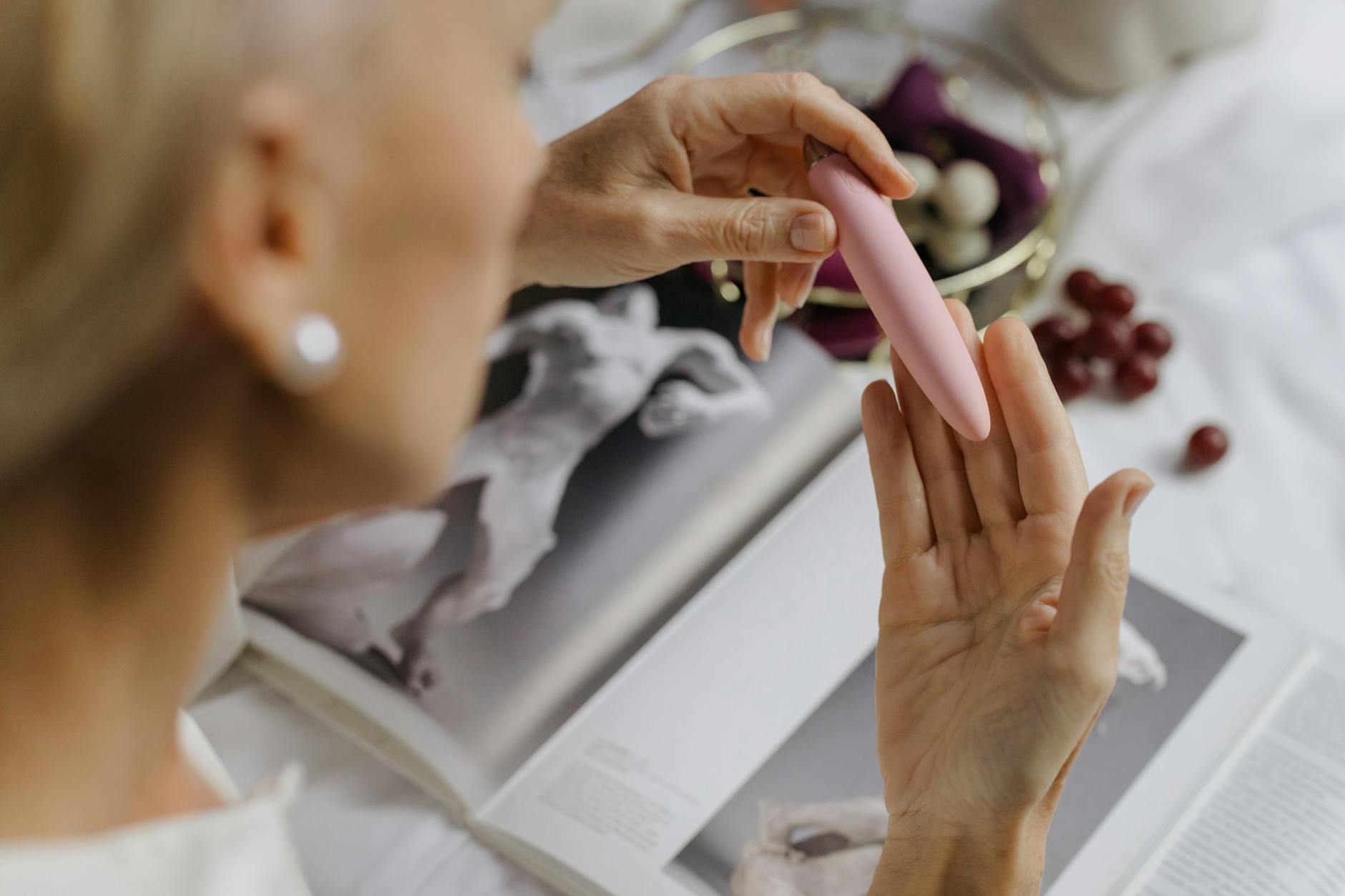
Let's talk about what comes after
Divorce rewires your relationship with pleasure. You're not just healing from a breakup. You're renegotiating what vulnerability looks like, what trust means, and whether your body even belongs to you anymore. Adding a new partner to that equation feels risky. Adding a sex toy? That feels like handing someone a receipt for everything that went wrong.
But here's what I see in my practice: introducing lemon vibrators early, honestly, and together transforms that risk into something entirely different. It stops being about "revealing" something shameful and becomes about building something new together.
Why introducing lemon clitoral vibrators actually builds trust
Most people delay the toy conversation for months. They're worried their new partner will feel threatened, inadequate, or judged. So they wait until the sex is established, the relationship feels "safe," and then they introduce it like a confession.
That's backwards.
When you bring lemon sexual toys into the conversation early, you're not revealing a secret part of yourself. You're saying: "Here's what I know about my body. Here's what works for me. I want you to be part of discovering what works for us together." That's an invitation, not an indictment of your partner's ability to please you.
The research backs this up. Couples who talk about pleasure openly, before it becomes urgent, report higher sexual satisfaction and deeper emotional intimacy. The conversation itself becomes a form of bonding, not a landmine.
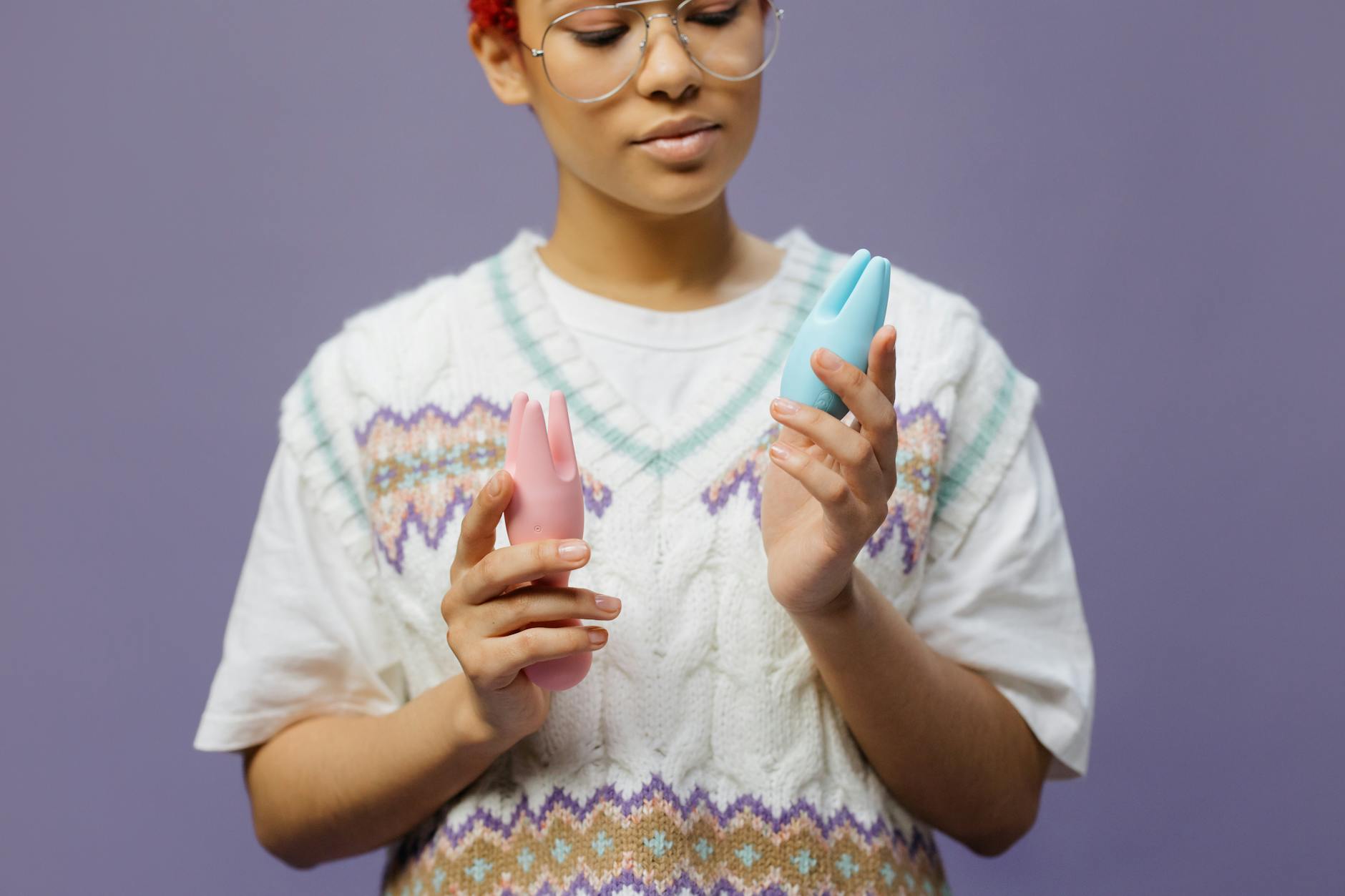
Photo by cottonbro studio on Pexels
How to start the conversation without making it awkward
The tone matters more than the words. You're not sitting down for a serious relationship talk. You're texting casually, or bringing it up naturally in bed, or sending an article like this one. You're treating it like the normal, obvious thing it is.
Try: "I've been using lemon clitoral vibrators for a while and I really like them. Would you ever want to try one together?" That's it. No apology, no explanation of why your ex didn't appreciate them, no long preamble about your sexuality. Just a fact and an invitation.
If your partner reacts with confusion, curiosity, or skepticism, that's all normal. Some people grew up with zero education about pleasure tools. Others absorbed decades of shame. Neither of those things reflects on you or your new relationship.
The key move: ask questions back. "What's on your mind about it?" "Have you ever used one before?" "What would feel comfortable for you?" You're building consent and curiosity in both directions, not pushing a decision.
What changes when you use lemon vibrators together for the first time
If your partner agrees to try, here's what actually happens physically and emotionally.
First, the dynamics shift immediately. You're no longer the "object" of desire. You're both exploring something novel. The pressure flips. Instead of your partner worrying about whether they're doing enough, you're both focused on discovery. This is especially powerful post-divorce, when your nervous system might be primed to feel like a failure if pleasure doesn't arrive on schedule.
Second, using lemon adult toys together gives both of you permission to slow down. A lem vibrator doesn't rush. It creates rhythm, consistency, and sensation that most hands can't match. That rhythm becomes the heartbeat of the encounter, not the person. It takes performance pressure off both of you.
Third, it makes vulnerability visible in a manageable way. You're not just telling your partner "I need more stimulation" or "I struggle to come easily." You're showing them. Your body's response to the toy becomes the evidence, not a source of shame. Over time, that repeated experience of "here's what feels good and I'm safe showing you" rewires your nervous system around trust.
The logistics that make it easier
A few practical things that smooth the first experience:
Pick the right moment. Not when you're already mid-sex and someone's body is already stressed. Bring it up when you're relaxed, clothed, and not trying to perform anything. Saturday morning coffee is better than 11 p.m. after work.
Start with the toy outside the equation. Introduce a lemon clitoral vibrator as a shared object first. Let your partner hold it, see how it feels in their hands, understand how it works. Demystifying the mechanics makes the sensuality easier.
Lower intensity at first. Lemon vibrators have multiple settings for a reason. Start at pattern one and work upward. Your partner doesn't need to prove anything by jumping straight to maximum intensity.
Keep lube nearby. Water-based lubricant isn't a sign that something's wrong. It's a sign that you're being thoughtful about what makes the experience comfortable and pleasurable.
Make it collaborative. Your partner might hold the toy. You might guide their hand. You might explore together. There's no "right" way. The collaboration itself is the point.
What happens after the first time
Many post-divorce clients tell me the same thing: using lemon vibrators together for the first time is when they realized their new relationship was actually different from the old one. Not just different sexually, but different in how safe they felt being honest about what they wanted.
After that first experience, a few natural patterns emerge. Some couples make it a regular part of their intimacy. Others use it occasionally, or only when one partner's nervous system needs the grounding that consistent stimulation provides. Some discover that lemon sexual toys work better for solo play, and that's fine too. The point isn't that you have to use them every time. The point is that you've built a framework where pleasure tools are normal, collaborative, and judgment-free.
You've also given yourself a template for future vulnerability. If you can talk about and use a vibrator together, you can probably talk about other things too. Resentments, boundary shifts, changes in desire. The toy becomes a small flag that says: "In this relationship, our bodies and our desires matter, and we talk about them."
When your partner says no
Sometimes they will. For religious reasons, trauma history, insecurity, or just genuine disinterest. That's information, not rejection.
The question isn't: "Does my partner have to use lemon vibrators with me?" The question is: "Can my partner respect that I use them, and can we find a way forward that doesn't require them to participate?" Those are different conversations.
You might use lemon clitoral vibrators during solo play and your partner is completely fine with that. You might use them while they're present but not directly involved. You might have honest conversations about what the resistance is actually about. Sometimes it's a values thing. Sometimes it's past baggage that needs unpacking with a therapist. Sometimes it's just not their jam, and that's okay.
What matters is that you're not asking permission. You're informing, and then listening.
Why post-divorce pleasure matters more than you think
After divorce, reclaiming your sexuality isn't vanity. It's part of rebuilding your sense of agency over your own body and your own life. A new partner who can welcome that reclamation, who can be curious about your pleasure and willing to explore together, is showing you something important about compatibility and respect.
Lemon vibrators are just tools. But the conversation around them, the willingness to be vulnerable about what you want and what you need, is the foundation of sustainable intimacy. That's what makes a relationship feel different after the hard stuff you've already survived.
FAQ
Why do lemon vibrators work better than other sex toys for couples?
Lemon clitoral vibrators use air-suction technology rather than direct vibration, which creates a different kind of stimulation that many people find easier to control and share. You can adjust intensity in real time, they're quieter than traditional vibrators, and they respond well to partnered touch. The sensation feels less mechanical and more like a rhythm you're building together. That makes them particularly good for the vulnerability of early partnership exploration.
Is introducing a sex toy early in dating a red flag?
Not at all. It's actually a sign of emotional maturity and healthy communication. You're being honest about your body's needs and inviting collaboration instead of hiding a part of yourself. A partner who can't have a straightforward conversation about pleasure tools is often signaling something broader about how they handle intimacy.
What if I'm embarrassed to bring it up?
That embarrassment is completely normal, especially post-divorce when your confidence around sexuality might be shaken. But the conversation gets easier every time you have it. Start small: send a text instead of saying it out loud. Use humor if that feels natural. The goal isn't to be cool about it. The goal is to be honest.
Can I use lemon adult toys if my partner isn't interested but I want to?
Yes. Your pleasure belongs to you regardless of your relationship status. You can use lemon sexual toys during solo play, during partnered sex without your partner directly engaging with it, or whenever feels right. The only conversation you need to have is about boundaries and comfort in your shared space. Many partners who weren't initially interested become curious over time when they see how much joy it brings you.
How do I know if my new partner is uncomfortable with lemon clitoral vibrators?
Listen for the actual words, not the subtext. Uncomfortable often sounds like: "I don't think I'd be comfortable with that" or "That doesn't feel right for me." Hesitant or curious sounds like: "I'm not sure" or "Tell me more." Sometimes there's also defensiveness: "That seems like you're not satisfied with me." That last one is worth addressing directly: "This isn't about you being enough. It's about exploring pleasure together."
Do lemon vibrators change the dynamic if one partner has low desire?
Yes, often positively. If you have lower desire and your partner has higher desire, using a lem vibrator together can remove some of the performance pressure. You're not trying to match their rhythm. You're both focusing on the sensation the tool creates. For partners with desire discrepancies, this can actually reduce conflict and increase connection because the tool becomes a third presence instead of one person feeling inadequate.
What's the best way to store a lemon vibrator if you have a new partner visiting?
Treat it like any personal item: a drawer, a bedside table, wherever you keep intimate things. You don't need to hide it unless you're genuinely concerned about your partner's reaction. If you're that concerned, that's worth examining. You shouldn't be building a relationship with someone who requires you to hide basic parts of your sexuality. That's not intimacy. That's performance.
Moving forward together
Introducing a lemon clitoral vibrator to a new partnership after divorce is about more than pleasure, though pleasure matters. It's about saying: "I survived something hard. I know my body better now. I'm inviting you into that knowledge." That kind of honesty is the foundation of relationships that actually last.
If you're ready to have this conversation or explore what works for your body, start where you are. A text, a casual comment, or simply having the tool visible on your nightstand can open the door. Your new partner's response will tell you a lot about whether they're someone who can meet you with curiosity, respect, and genuine interest in your pleasure.
That's the relationship worth building on.