Here's the thing about long-term touch
After five, ten, or twenty years with the same partner, your body stops registering their touch the way it used to. Not because you don't love them. Not because anything is broken. Your nervous system has simply gotten used to it. Neuroscientists call this habituation. I call it the thing nobody warns you about before you settle down.
What starts as familiar comfort gradually becomes invisible. A hand on your thigh during dinner that once sent electricity through you now barely registers. Sex becomes something you do instead of something you feel. And suddenly you're wondering if you've lost the capacity for sensation altogether.
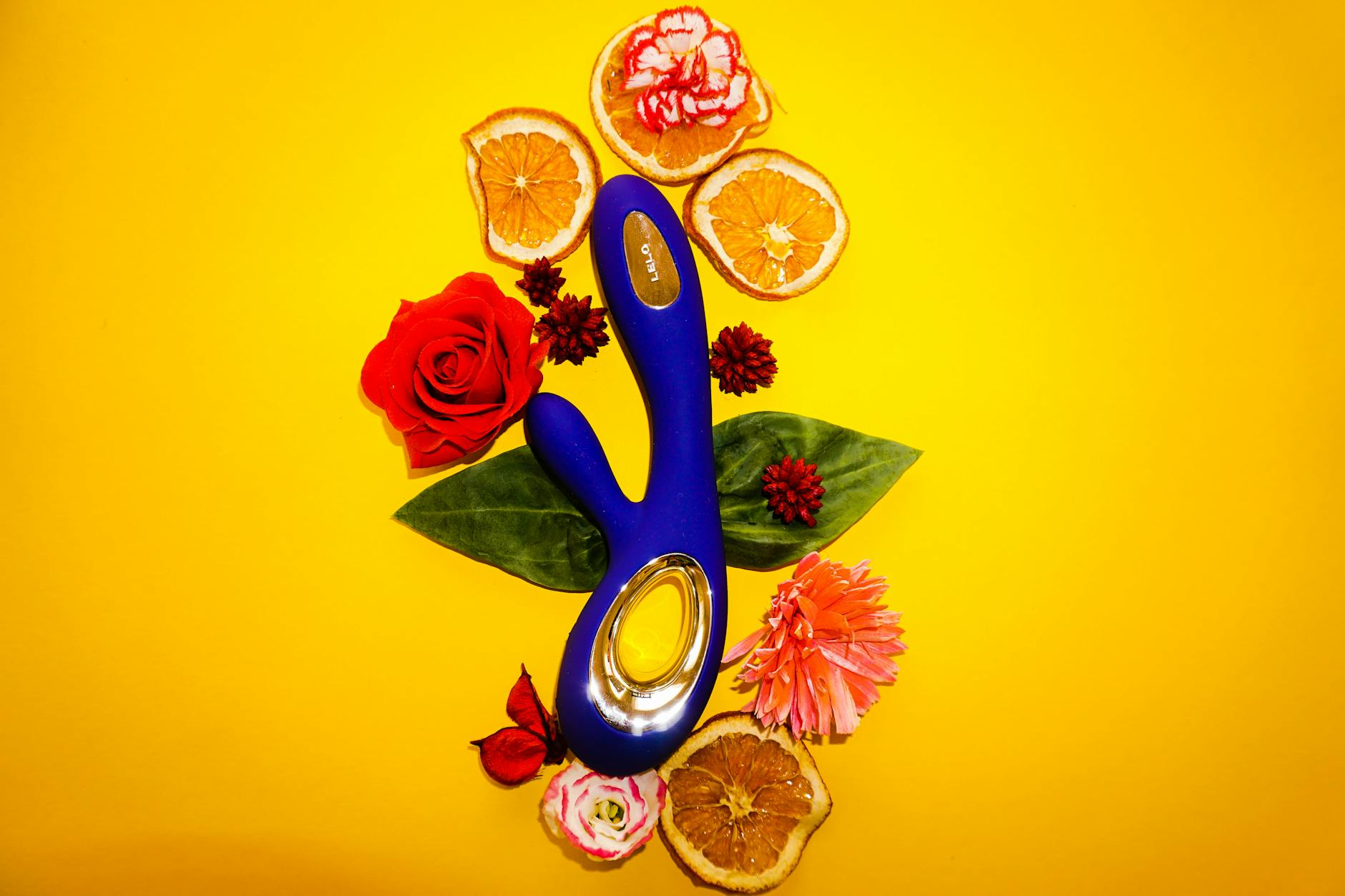
Here's what I've learned from fifteen years of working with long-term couples: this feeling is almost always fixable. Often it just needs a reset button. Lemon vibrators, specifically clitoral vibrators with suction patterns, can be that button.
Why sensation fades in long-term relationships
There are three separate things happening at once, and they're all normal.
First, neural adaptation. Your nervous system is designed to filter out repetitive stimuli. That's survival. If your partner's touch stayed as intense as it felt on your first kiss, you'd be overwhelmed every single time. So your brain learns to screen it out. Same pressure, same rhythm, same pattern gets filed as "background noise" after enough repetitions.
Second, predictability. When you know exactly how someone touches you, where they'll touch, and for how long, your body stops sending dopamine signals. Novelty is what your brain craves. Surprise is what keeps sensation sharp. After years together, there's almost no surprise left.
Third, relational distance. This is the less comfortable piece. Long-term partnerships often create physical routines that have nothing to do with desire and everything to do with duty. You're both tired. Sex becomes scheduled, or performance-based, or something you do because you should. That emotional distance gets encoded in your body. Touch that should feel intimate starts to feel obligatory.
None of this means the relationship is failing. It means you're human, and your nervous system is working exactly as designed. The fix isn't a new partner. It's usually novelty, presence, and a tool that interrupts the habituation pattern.
How lemon clitoral vibrators reset sensation
Lemon vibrators work differently than your partner's hand because they introduce variables your body has never adapted to. The suction pattern, the rhythm variability, the intensity level. Even when you use them alone, you're teaching your nervous system that touch can feel new again.
But here's the real power: when you use lemon vibrators with your partner present, something shifts. You're not being touched the same way. That novelty breaks the habituation loop. Your partner gets to watch you respond with intensity and surprise. That changes something in them too. It's not about the toy replacing them. It's about the toy giving your body permission to feel again.
The clitoral suction mechanism is particularly useful because it doesn't rely on the kind of steady friction your partner's hands or fingers provide. Suction stimulates differently. It engages nerves your body isn't used to depending on. For couples where touch has flattened, that difference is enough to wake up sensation that felt completely dormant.
The practical side of introducing this together
Timing matters. Don't bring this up during sex or right before it. Have the conversation clothed, calm, outside the bedroom. Use language that's about curiosity, not complaint. "I want to feel more in my body with you" is radically different from "I can't feel you anymore."
Start with a no-pressure plan. Maybe you use the lemon vibrator alone first, with your partner nearby but not involved. That gives your nervous system a chance to remember what intensity feels like. It also removes performance pressure from the moment. You're not trying to prove anything. You're just relearning sensation.
When you're ready to involve your partner, keep expectations low. This isn't about having the best orgasm of your life. It's about interrupting the numbness. Let them guide the vibrator. Let them choose the pattern. Let the power shift be part of what makes it novel. Some of my clients say the best part isn't the sensation itself. It's being surprised by their partner again.
Making this work in different relationship styles
If your partner is hesitant, reframe it as you getting to know your own body better. That's entirely true. Using a lemon clitoral vibrator solo is how many people rediscover what intensity feels like. You're not asking your partner to compete with a toy. You're asking for permission to feel alive.
If your partner wants to be involved from day one, that's fine too. Let them take control. Some couples find that the novelty of the toy gives them permission to be more creative in other ways too. The vibrator becomes the opening, not the main event.
If your partner feels threatened, name that directly. "I need to feel something. This is me trying to stay connected to you, not pull away." Most of the time, once they understand that the goal is reconnection, not escape, they come around. Sometimes it takes a couple of conversations. That's okay.
Timing: when to use them, how often
Don't reserve lemon vibrators for "special occasions." That keeps them in a novelty category. Integrate them into regular sex. Once a week, twice a week, however often works for your life. The goal is to help your nervous system learn that sensation is possible again. Consistency helps that more than drama does.
Start with lower intensity patterns. Let your body adjust to the stimulation over a few sessions. You're not trying to overwhelm yourself back into feeling. You're gradually recalibrating your nervous system's baseline.
Pay attention to what patterns create the most shift in you. The intensity level, the rhythm variability, the angle. Those details matter because they'll tell you what your body has been missing. Sometimes it's not the vibrator itself. Sometimes it's the signal that pleasure matters again.
What changes beyond sensation
This is the part couples don't expect. When you interrupt habituation, you don't just get better sensation. You often get better communication. Using a lemon vibrator requires some vulnerability. You have to ask for what you want. You have to admit that you need help. That openness tends to spread into other parts of the relationship.
You also often get back some of the novelty that years together erased. You're both learning something new about each other's bodies. You're both paying attention in a way that long-term routines don't usually require. That attention is how desire comes back.
Most importantly, you get evidence that the numbness isn't permanent. It's not a sign that the relationship is over or that you've lost capacity for pleasure. It's a reversible habit. That shifts something fundamental about how you relate to each other.
When sensation recovery is slower
If you've been using lemon vibrators consistently and sensation still feels muted, talk to someone. Sometimes numbness points to depression, medication side effects, or hormonal shifts that need professional attention. A therapist or doctor can help you figure out what's underneath the sensation loss.
Also check in with whether you're present during sex. Sometimes what feels like numbness is actually disconnection. Your body's way of protecting itself from intimacy that doesn't feel safe or seen. That requires a different kind of work than a new tool can provide. That requires rebuilding the emotional foundation.
The longer version
Sensation fading in long-term relationships isn't a sign of failure. It's neurobiology. Habituation is what your brain does to survive overwhelming input. The good news is that novelty interrupts habituation almost immediately. Lemon clitoral vibrators introduce exactly the kind of variable stimulation your nervous system needs to wake back up. Combined with presence and communication, they're often the reset button long-term couples are looking for.
People also ask
How often should we use lemon vibrators together if sensation feels numb?
Start with once or twice a week. Consistency matters more than frequency when you're retraining your nervous system. Over three to four weeks of regular use, most couples notice a significant shift in how sensation registers. The goal isn't to become dependent on the vibrator. It's to use it as a bridge back to feeling each other.
Can lemon vibrators actually help with long-term relationship numbness or is that wishful thinking?
It's not wishful. The mechanism is straightforward. Habituation happens because your nervous system filters out repetitive stimuli. Introducing a new type of stimulation breaks that filter. What feels like numbness is often just your body's adaptation response. Change the input and sensation comes back. That said, if numbness is rooted in emotional distance or depression, the vibrator alone won't fix it.
My partner is resistant to using toys together. How do I bring this up without making them feel replaced?
Use specificity. Don't say "I want us to use a vibrator." Say "I've been feeling disconnected from sensation and I'd like to try something that might help me feel more in my body." Frame it as self-discovery, not partner replacement. Many partners come around once they realize the goal is reconnection, not escape. If they don't, respect that boundary and explore solo first.
Is using a lemon vibrator alone while in a long-term relationship cheating or crossing a boundary?
That depends entirely on your relationship agreement. Some couples consider solo toy use part of normal sexuality. Others see it as a boundary. Have the conversation. Be honest about why you want to use it. Most of the time, clear communication prevents misunderstanding better than any rule can.
Should I use a lemon clitoral vibrator before or during sex with my partner?
Either works. Some couples use it as foreplay to wake up sensation. Others use it during penetrative sex for added stimulation. Some people use it solo first to rediscover what intensity feels like, then bring it into partnered sex later. Start with whatever feels least threatening and build from there.
How long does it typically take to feel sensation coming back?
Most people notice a shift within a few sessions. Three to four weeks of consistent use usually shows measurable change in how sensation registers. That said, if numbness is connected to depression, medication, or trauma, the timeline is different. A therapist or doctor can help you understand what you're working with.