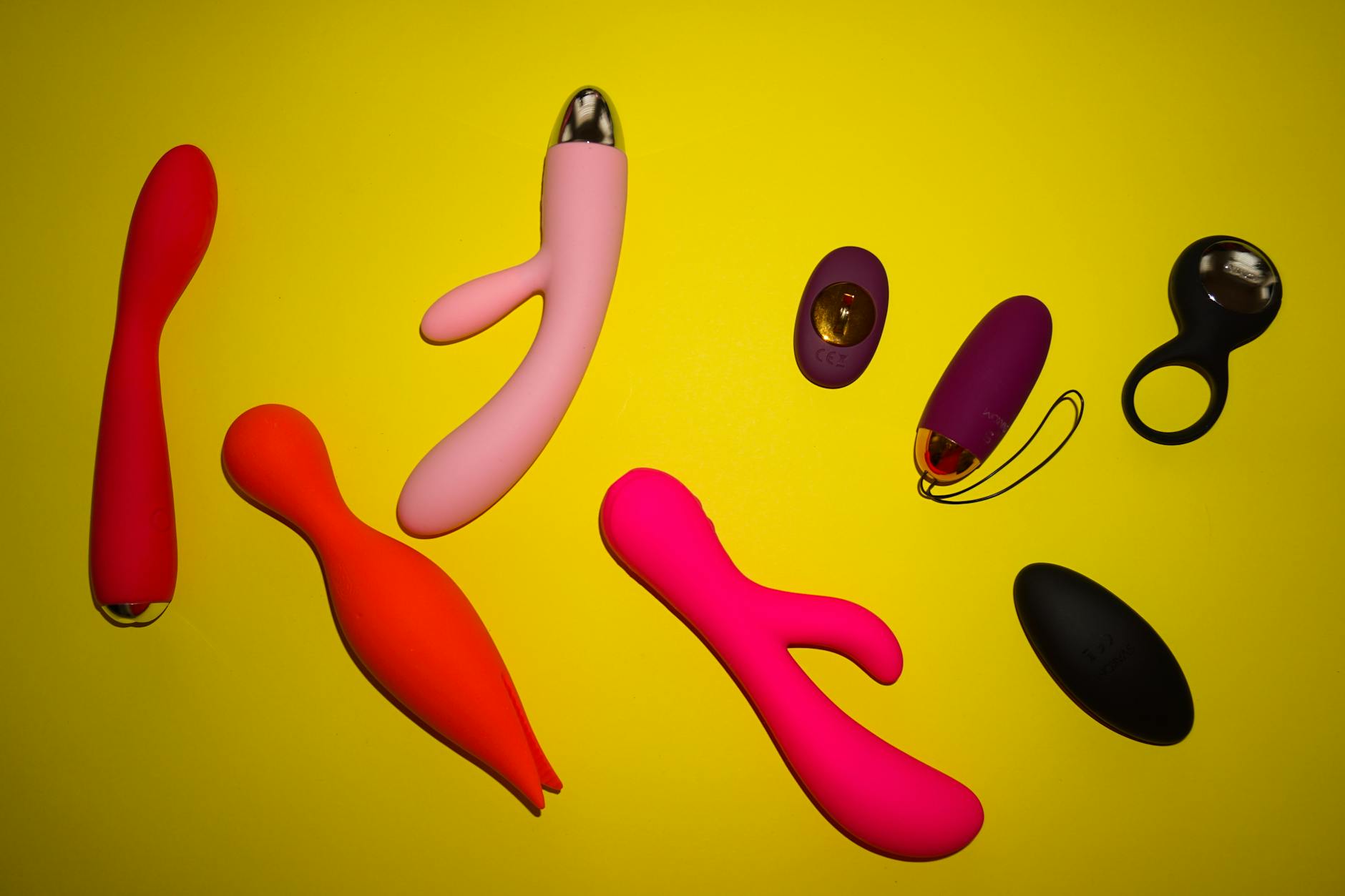
How to Use Lemon Vibrators When Sensation Feels Muted After Hormonal Changes
Hormonal shifts can dull sensation temporarily. Here's what's actually happening, why it matters, and how clitoral vibrators help you feel everything again.
You've noticed it. Sensation that used to arrive easily now feels distant, muffled, like you're touching yourself through a layer of gauze. Your partner touches you the same way, your own hand works the same rhythm, but nothing lands like it used to. The first thing to know: this is not your imagination, and it's not permanent.
Hormonal fluctuations reshape nerve sensitivity, tissue responsiveness, and the speed at which your brain registers pleasure. This happens during perimenopause, after stopping hormonal birth control, during thyroid imbalances, and sometimes just from chronic stress. The nerve endings don't go anywhere. The neural pathways don't disappear. What changes is how quickly they fire, and that's something clitoral vibrators like lemon vibrators are specifically engineered to address.
Estrogen and testosterone both play a role in nerve sensitivity and blood flow to sensitive tissue. When either drops or fluctuates, two things happen simultaneously. First, blood flow to the clitoris decreases slightly, which means less swelling, less engorgement, less of that physical awakening you felt before. Second, the nerve endings themselves become less reactive without the hormonal environment that used to prime them.
This is different from numbness from antidepressants (which dampens dopamine), different from pain that needs medical attention, and different from psychological disconnection. This is purely neurological responsiveness. Your body hasn't forgotten how to feel. It's just not firing as fast or as eagerly.
Here's the part that matters: vibration doesn't require your body to do the heavy lifting. A clitoral vibrator like the Lem doesn't wait for your tissues to swell gradually. It delivers consistent, targeted stimulation directly to nerve clusters. It's the difference between trying to wake someone up by whispering versus turning on the lights. The stimulus is just louder.
Clitoral suction vibrators, including lemon sexual toys and similar designs, work through a different mechanism than traditional vibrators. Instead of relying on your tissue to be already receptive, they use gentle suction and pulsing rhythm to draw blood into the area while stimulating. This means they're actively helping to restore the engorgement that hormonal changes reduced.
The lem vibrator specifically uses patterns that build gradually, which matters when sensation is muted. You don't need to be already aroused for the first pattern to feel like something. It registers immediately, even when baseline sensitivity is low. That immediate feedback matters psychologically too. You feel the effect, which reminds your brain that sensation is there, which actually helps reactivate the arousal pathways.
Lemon clitoral vibrators also give you control over intensity in a way manual stimulation doesn't. If you're working with reduced sensation, you can start at a higher pattern (most people assume you should start low, but when sensation is genuinely muted, pattern 3 or 4 often makes more sense) and adjust down if needed, rather than pushing through gentle stimulation that registers as almost nothing.
First, timing matters more than usual right now. Avoid trying immediately after stress, caffeine, or when you're tired. Sensation is already quieter. Fatigue and stress will make it quieter. Pick a time when your nervous system is actually resourced. That usually means evening, weekend mornings, or times when you've actually eaten and aren't running on fumes.
Second, warm up differently. Instead of waiting for arousal to build naturally (which might not happen quickly right now), do something that increases blood flow generally. A warm shower, stretching, a short walk. This isn't about getting turned on yet. It's about getting blood to your extremities, which helps sensation register faster.
Third, and this is key: use a good water-based lubricant. Many people think lube is only necessary when there's pain or obvious dryness. That's not true. When sensation is muted, lube helps the vibrator glide smoothly and reduces friction that would otherwise distract from the actual sensation of stimulation. It's a clarity thing, not a wetness thing.
One of the most encouraging things I tell people is that reconnecting with muted sensation often happens faster than expected. Your nervous system is incredibly adaptive. After about two weeks of regular use (and "regular" means 3-4 times a week, not daily), most people notice sensation sharpening noticeably. After four to six weeks, many report that baseline sensitivity has returned almost completely.
This isn't because the vibrator is changing your hormones. It's because consistent, clear stimulation trains your brain to pay attention again. The nerve endings are still there. You're just reactivating the neural pathways. It's like the difference between a quiet song you haven't listened to in years and that same song after you play it a few times. It's the same song. Your attention just needed to be reminded where to focus.
If you have a partner, this is also an opportunity to communicate about what sensation you need right now. Many people feel embarrassed about muted sensation and try to push through the same rhythm they used to enjoy. That creates frustration on both sides. It's much more useful to say "my sensation is quieter right now, so I need something more direct," and then use lemon vibrators together, letting them handle the intensity while you two focus on connection and presence.
If you've been using a clitoral vibrator consistently for six to eight weeks and sensation hasn't returned, something else might be going on. This could be an indication of deeper hormonal imbalance, medication side effects, or sometimes thyroid dysfunction. That's worth a conversation with your doctor, ideally one who takes this seriously and doesn't dismiss it as "just menopause" or "normal aging."
You might also explore whether the muting is actually sensation-based or emotional. When arousal feels disconnected from your body, sometimes what feels like physical numbness is actually psychological distance. The distinction matters because the solution is different. If it's emotional, a lemon vibrator still helps, but you might need to pair it with some deeper reflection about what's happened in your life or relationship recently.
Also consider whether you're using the right tool for your body. A lemon clitoral vibrator works beautifully for most people with muted sensation because of the suction mechanism, but not everyone responds the same way. Some people do better with consistent pressure, others need more variation. The benefit of lemon adult toys is that you can experiment with different patterns and intensities without needing a whole collection. Most people find their sweet spot within the first few uses.
Here's something that doesn't get talked about enough: when sensation feels muted, you also feel muted about pleasure. Your brain interprets reduced sensation as "my body doesn't want this," which can actually suppress arousal further. It's a feedback loop. The vibrator helps break that loop because it provides external stimulus that bypasses your nervous system's current quiet setting.
But you have to let it work. That means using it without the pressure to feel something immediately. Use it the same way you'd use a massage on a tense shoulder. You're not waiting for the tightness to disappear in five minutes. You're noticing the stimulus, seeing what shifts, and giving your system time to respond. Often sensation builds across a session rather than arriving instantly.
If you're in a relationship, this is also a moment to rebuild sex after hormonal changes by decoupling sensation from performance. You're not trying to reach an orgasm. You're not trying to prove you still work. You're exploring what your body can feel right now, with curiosity instead of urgency. That shift in approach changes everything.
No. Sensation naturally dulls temporarily during hormonal shifts, but it consistently returns. Hormones regulate nerve sensitivity, not permanently damage it. Most people regain baseline sensation within weeks to months of stable hormones, and vibrators speed that process significantly.
Completely normal. Stress, hydration, time of day, and your menstrual cycle (if you have one) all affect sensory perception. That's not a sign the vibrator broke. It's just your nervous system responding to variables. Use the pattern that works today without expecting consistency.
No. Daily use can actually become desensitizing in a different way. Three to four times weekly gives your nervous system time to respond and reset between sessions. That rhythm also prevents the very thing you're trying to fix. Consistency matters more than frequency.
No. Orgasm is a bonus, not the goal. Many people using vibrators during muted sensation phases don't orgasm at first. They're rebuilding the ability to feel. Orgasms usually follow naturally once sensation has returned. Expecting orgasm creates pressure that actually slows sensation recovery.
Partially. Antidepressants work differently than hormonal changes, and lemon vibrators help less dramatically in that case. But they still provide immediate external stimulus that your nervous system can register even when dopamine is suppressed. Paired with dose adjustment conversations with your doctor, they're part of the solution.
That's a different issue that needs medical attention first. Muted sensation isn't the same as pain, and trying to use any vibrator when there's pain can compound the problem. Talk to a gynecologist or pelvic health specialist before using a clitoral vibrator.
Weeks one to two: You'll notice the vibrator immediately, but sensation might still feel somewhat distant. You might not reach orgasm. This is normal. You're training your nervous system to pay attention again.
Weeks three to four: Sensation begins sharpening. The vibrator feels noticeably more present. Arousal might build more quickly, though it still might not be effortless.
Weeks five to eight: Most people report that baseline sensation has returned significantly. Orgasms become more reliable. The muffled feeling mostly lifts.
Beyond week eight: If sensation hasn't returned, something else is likely involved and worth investigating with a healthcare provider.
The lem vibrator specifically is designed for this exact use case. The pulsing suction mechanism is engineered for people working with reduced sensation or slower arousal, and the pattern control gives you agency over intensity without needing your body to do the heavy lifting of generating response. That's why lemon vibrators are such effective tools during hormonal transitions.
Your sensation isn't broken. It's just quieter right now. The pathways are still there. The nerve endings are still there. You just need a tool that speaks loudly enough to reach them while your body rebalances. That's exactly what clitoral vibrators are for.