Let's talk about what illness actually takes from you
Extended illness rewires your relationship with your body. Whether it's months of treatment, weeks of bed rest, or the lingering fatigue that comes after you're technically "better," your nervous system has learned caution. Your body has learned pain. And pleasure becomes something you have to relearn, not something you just pick up where you left off.
Most people don't talk about the sexual part of recovery because it feels small compared to getting healthy again. But reconnecting with pleasure is part of recovery. It's not a bonus or a luxury. It's your body telling you it's safe, it's capable, it's yours again.
Why sensation feels different after illness
Three things happen to your body during extended illness. First, your nervous system stays in a heightened state of alert. Even after active treatment ends, your body remembers that something was wrong. Second, physical deconditioning means your pelvic floor has lost some tone and responsiveness. You weren't using those muscles, so they adapted. Third, many medications and the stress response itself suppress blood flow to the genitals, which means arousal takes longer to build and feels less intense when it does.
That's not weakness. That's your body being exactly as it should be after what it's been through.
Here's what also matters: your brain is still capable of pleasure. Your nerve endings didn't change. Your clitoris is still there, ready to respond. The gap between what your body remembers and what it can do right now is temporary, even when it doesn't feel that way.
Starting with lemon clitoral vibrators instead of touching
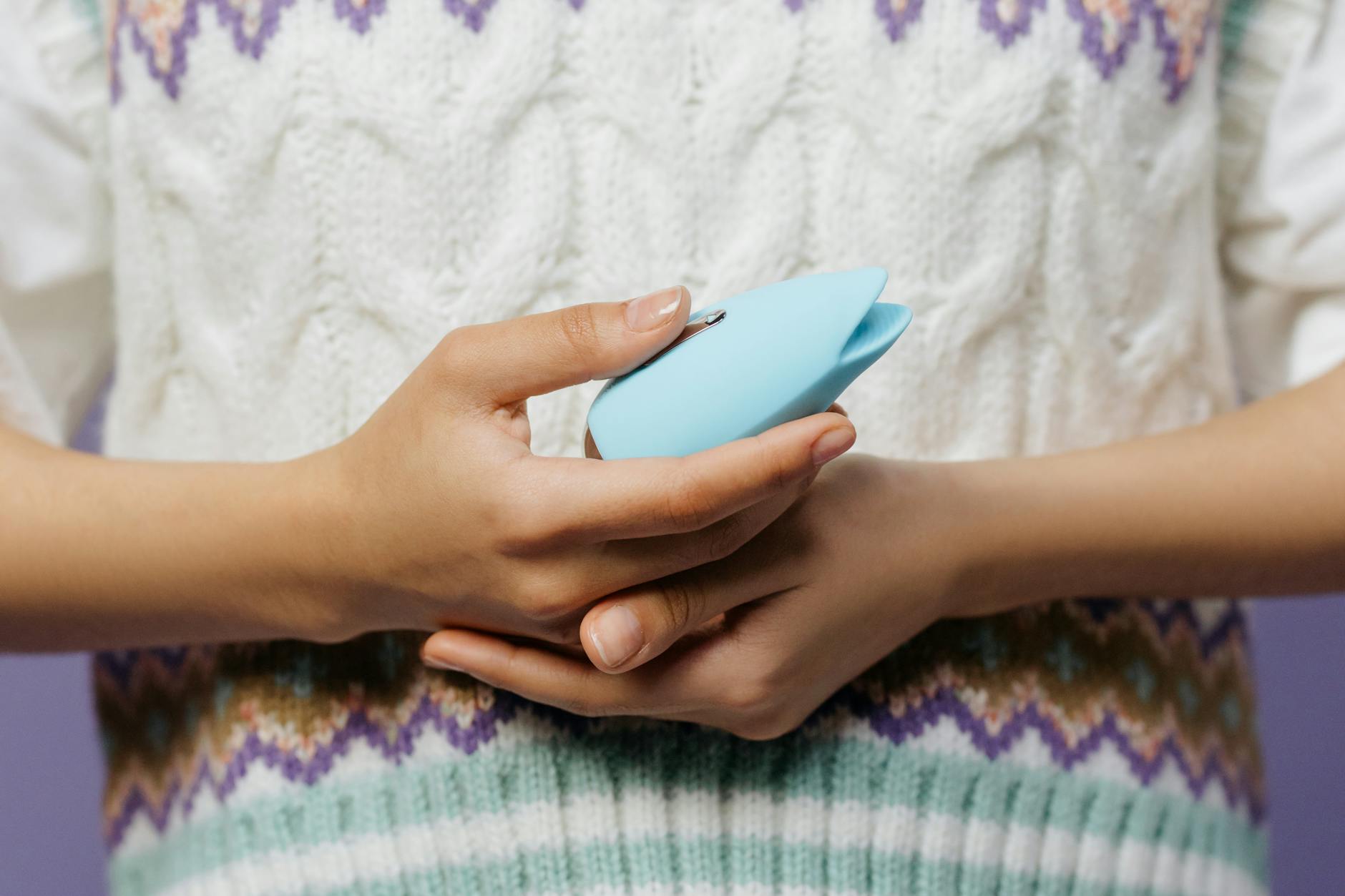
Honestly, this is where lemon vibrators shine for post-illness recovery. Direct touch can feel overwhelming when your nervous system is still learning to trust sensation again. It carries intention, pressure, the need to be present. A lemon clitoral vibrator does something different. The suction pattern of a device like the Lem creates consistent, predictable stimulation that doesn't require you to manage anyone else's energy or your own performance.
Start with pattern 1, the gentlest setting. Let the vibration or suction sit on the clitoris for 30 seconds without moving. Your job is not to orgasm. Your job is to notice if this feels good, neutral, or uncomfortable. That's it. You're teaching your nervous system that sensation can be safe again.
Many people who've been through illness report that the first time they feel genuine pleasure again comes through a lemon vibrator, not through partnered sex. There's no shame in that. There's actually wisdom in it. You're rebuilding your relationship with your own body before you rebuild it with someone else.
Pacing your recovery: the three-week timeline
Weeks one and two are about exploration without expectation. Use the Lem alone, for 10 to 15 minutes, twice a week. Notice what patterns feel good. Notice if certain times of day work better than others. You might not orgasm, and that's completely fine. You're not chasing an outcome. You're gathering information.
Week three, you can extend to 15 to 20 minutes and add a second session if you want. You might also start thinking about partnered touch, but keep it separate from the vibrator at first. A partner can hold you, touch your arms or back, but the lemon vibrator stays your solo exploration.
After three weeks, if you're feeling good, you and a partner can start experimenting together. But slow matters here. Have them hold the Lem while you guide them. Let them watch what happens when you orgasm. Most partners feel wildly closer when they're part of that rebuilding, not as performers but as witnesses.
Medication and sensation: what actually affects pleasure
If you're still on medications from your illness, they might be dampening sensation. Anti-inflammatories, pain medications, antidepressants, blood pressure drugs, antihistamines. They all can muffle the signals your body sends. This isn't permanent, but it means your timeline might be slower than you expected.
Don't stop your medications to test this. Talk to your doctor instead. Sometimes switching timing or dose helps. Sometimes you need to accept that pleasure will feel muted while you're healing and that's okay. The lemon clitoral vibrator can help here specifically because suction-based stimulation works differently than vibration. It tends to feel more present even when sensation is dulled.
Rebuilding intimacy with a partner through this
If you have a partner, the conversation matters more than the device. Tell them specifically: "My body is still recovering. Pleasure might feel different or take longer. I need you to follow my pace, not set the pace." That sounds simple and it's not. Most partners want to "fix" things and feel useful. Make them useful by letting them ask questions and listen instead of trying to turn you on.
The best thing you can do together is use lemon clitoral vibrators when your partner rarely initiates, but frame it differently. Frame it as something you both want to explore, not as a workaround. Use the vibrator while they touch you in other ways. Let them see what makes you feel good. That information builds desire and connection in both directions.
Some partners worry that bringing a lemon vibrator into recovery means they're not enough. They are. The vibrator isn't a replacement. It's a tool that helps your body remember pleasure while you both remember each other.
When to slow down or seek help
Pain during pleasure means stop. Full stop. This could be scar tissue from surgery, it could be pelvic floor dysfunction, it could be something else entirely. Get checked. There's no medal for pushing through pain.
If after four weeks of gentle exploration with the Lem you're still feeling no pleasure at all, check in with your doctor. Sometimes desire takes longer than you expect. Sometimes there's a medical reason you can address. Sometimes you just need permission to take another month. All of those are fine.
Most people find that their pleasure capacity returns more fully than they expected, especially if they're patient with the process. Recovery isn't linear. Some days your body feels ready and some days it doesn't. Use the lemon vibrator when you feel up to it. Skip it when you don't. Your body will tell you when it's ready to feel good again if you listen to it.
The permission you actually need
Your body is not broken. It's recovering. Pleasure during recovery isn't indulgent or premature. It's part of the healing process. Your nervous system needs to remember that sensation can be safe and joyful. Your brain needs to know that your body is coming back online. And you deserve to feel good while you're doing the hard work of getting well.
Start with the Lem on pattern 1. Give yourself permission to go slowly. Let your partner be part of the rebuilding if you want them to be. And know that the pleasure you feel once you're through this will be different, maybe even deeper, because you chose it deliberately while your body was vulnerable.