Let's be real. You used to know exactly what an orgasm felt like. The buildup, the crest, the release. Now? It's more like a gentle swell that never quite breaks. You're still having orgasms, technically. But they feel muted, flatter, less like fireworks and more like a light switch flipping.
This happens to a lot of people, and it's almost never about losing the capacity for pleasure. It's about signal-to-noise ratio. Your nervous system has gotten better at filtering out weak stimulation. That's actually adaptive. But it also means you need stronger, more precise input to reach that threshold again.
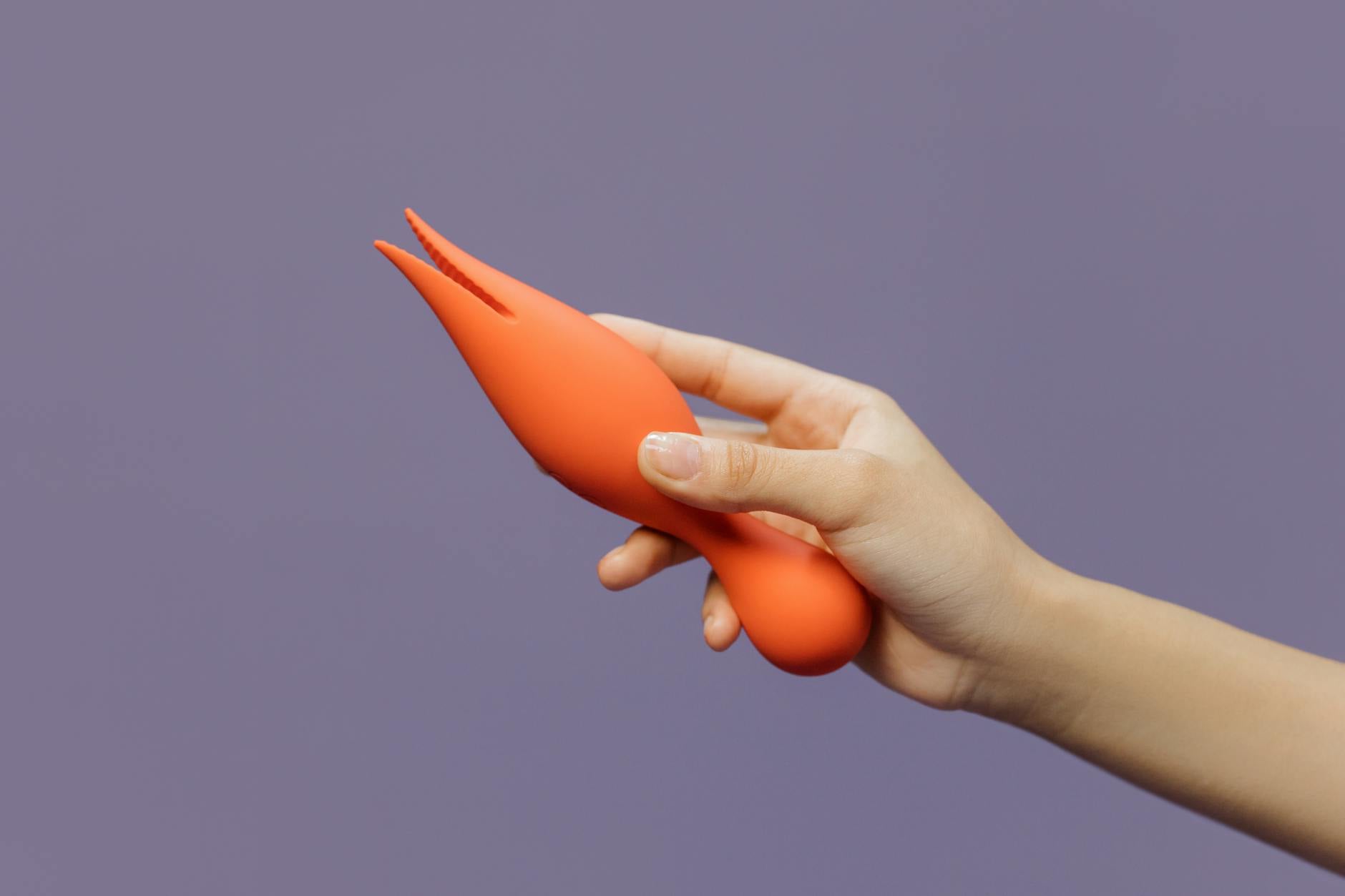
Lemon clitoral vibrators, particularly those using suction-based stimulation, address this in a way that traditional vibration often can't. Here's why the difference matters.
Three physiological reasons sit behind fading intensity.
Desensitization to repetitive patterns. If you've been using the same technique or toy the same way for years, your nervous system stops treating it as novel input. Neurons adapt. Sensation dulls. A lemon vibrator shifts this because suction stimulates in a fundamentally different way than vibration alone. You're not adding more speed or intensity. You're changing the type of stimulation entirely, which wakes up your nervous system.
Nerve density and blood flow changes. Age, hormones, medication, and stress all affect how easily blood reaches your clitoris and how sensitive the nerve endings stay. This is measurable and fixable. Better blood flow plus differently-distributed stimulation (the way a lemon sucker works) can restore sensation without requiring you to feel like you're "broken."
Cognitive load stealing arousal bandwidth. Your brain has finite processing power. If you're holding anxiety about whether this will work, comparing it to how it felt before, or mentally running through your to-do list, that's taking cycles away from pleasure. Lemon vibrators work partly because they're novel enough to snap your attention back into your body.
A lemon vibrator uses air-pulse technology, not friction-based vibration. Here's what that means in practice.
Traditional vibrators move side-to-side or up-and-down at high speed. They're efficient, and they work. But if your threshold for sensation has risen, you need either more speed (which hurts after a while) or a different input type altogether.
Suction-based stimulation creates a gentle vacuum around the clitoris. This pulls blood into the area, increases sensitivity, and stimulates nerves in a more distributed way than a single vibrating point. The suction rhythm feels completely different from vibration. Your clitoris experiences it as novel input. Your nervous system pays attention.
For people dealing with reduced orgasm intensity, this novelty factor is huge. It jolts you out of desensitization. You're not doing the same thing harder. You're doing something genuinely different.
Using lemon sexual toys effectively when intensity has dropped requires three shifts from how you might have used other vibrators.
Start lower and let it build. Lemon vibrators are less about maximum speed and more about sustained rhythm. Begin at setting 1 or 2 and stay there for at least 5 minutes. Your clitoris will sensitize as blood flow increases. You'll feel the difference. Then move up if you want to. Most people find they need less escalation than they expect.
Use the seal as your feedback mechanism. The suction only works if you've created good contact between the toy and your body. If sensation feels weak, check the seal first before turning up the intensity. A better seal creates stronger sensation without requiring more power. This is the opposite of most vibrators, where power is the only variable.
Give yourself permission for a longer buildup. Reduced orgasm intensity doesn't mean it's impossible. It usually means it's slower. Budget 20-30 minutes instead of expecting climax in 10. This isn't a failure. It's actually an advantage because it lets arousal deepen in ways that quick intensity can't. Many people report that orgasms reached slowly with lemon clitoral vibrators feel more intense than the quick ones ever did, even if they take longer to reach.
Here's something most people don't consider: sometimes reduced intensity is a signal that your nervous system needs a break from the pattern it's been in.
If you've been using the same toy the same way multiple times a week for two years, take a week off completely. Not because pleasure is wrong or you're overindulging. But because your nervous system gets habituated. Then when you pick up a lemon vibrator for the first time, it feels shocking and novel. That novelty is what reconnects you to intense sensation.
This is temporary. You're not resetting your baseline forever. You're just interrupting the habituation loop so your clitoris can surprise you again. Most people find that after a break and then reintroduction with something like a lemon sucker, intensity starts to return within days.
If orgasm intensity has dropped and you're also noticing pain, loss of desire, numbness during arousal, or sensation that feels "off" in a way you can't quite name, that's a signal to check in with your doctor.
Certain medications (SSRIs, antihistamines, blood pressure meds) genuinely reduce sensation. Hormonal changes can too. Low testosterone is surprisingly common in people with vulvas and is really treatable. If intensity dropped suddenly rather than gradually, that's worth investigating.
A good gynecologist or sexual health specialist can help you figure out whether the cause is behavioral (desensitization, which lemon clitoral vibrators address) or physiological (which might need medication adjustment or topical treatment). The difference matters because you'll address it differently.
Week 1: Use your lemon vibrator alone. No distractions. No partner. No multitasking. Just you and the sensation. Start at lower settings and stay patient. Write down what settings and timing felt best.
Week 2-3: Vary the timing throughout your cycle if hormones affect you. Use it at different times of day. Some people find intensity is higher in the morning, others in evening. Track it.
Week 4: If you have a partner and want to integrate them, let them know specifically what you discovered about intensity. "I found that setting 2 for 10 minutes, then building to setting 4, gives me the orgasm I want." This removes guesswork and creates confidence for both of you.
Beyond that, just use what works. You've already figured out the formula.
Reduced orgasm intensity sometimes means you actually need less stimulation to reach climax, not more. Your nervous system has become more efficient. It's like tuning an instrument. It doesn't have to vibrate at maximum volume to be heard clearly.
This is why I recommend lemon clitoral vibrators specifically when intensity fades. They're designed to work with precision rather than brute force. Once you adjust your expectations from "bigger is better" to "the right signal matters," orgasms often feel more intense than they did before because you're not exhausted by the effort.
Orgasm intensity doesn't automatically decrease with age, but several age-related changes make it more likely. Blood flow to the clitoris may decrease, nerve sensitivity can shift, and hormonal changes affect tissue. Additionally, if you've been using the same technique for decades, your nervous system adapts and stops treating it as novel input. A lemon vibrator reintroduces novelty, which often restores intensity regardless of age.
Absolutely. SSRIs (used for depression and anxiety), antihistamines, blood pressure medications, and some hormonal medications can reduce sexual sensation or make orgasm harder to reach. If intensity dropped after starting a new medication, mention it to your prescriber. There are often alternatives that have fewer sexual side effects, or your doctor can suggest strategies to offset the impact.
Most people notice a shift within 3-5 uses, particularly if they were dealing with desensitization from repetitive stimulation. If the cause is physiological (hormonal, medication-related), it may take longer and might benefit from additional support. The suction-based stimulation of a lemon vibrator typically shows results faster than traditional vibration because it provides genuinely different input.
Completely normal. Orgasms vary based on hormones, stress, arousal quality, partner dynamics, how much you're in your head, blood flow, hydration, and about a dozen other factors. The problem isn't variation. It's when intensity stays persistently low. That's when investigating cause and trying different techniques, like using lemon sexual toys, makes sense.
Not necessarily. More power often makes things worse because it numbs rather than sensitizes. A lemon vibrator works differently because suction-based stimulation affects your nervous system in a new way. Many people find that reduced speed with better sensation beats increased speed with worn-out sensation. Precision beats force.
If you've tried a lemon clitoral vibrator consistently for 2-3 weeks with no change in intensity, and you're also noticing loss of desire, pain, numbness, or other odd sensations, schedule a checkup. A sexual health specialist can rule out hormonal shifts, medication effects, or underlying conditions that need different treatment. Sometimes the answer isn't a different toy. It's understanding what your body is actually signaling.
Orgasm intensity isn't a fixed trait. It responds to novelty, blood flow, hormones, stress, attention, and the tools you're using. When intensity fades, it's almost always fixable. A lemon vibrator works because it introduces all three elements at once: novelty that wakes up your nervous system, suction-based stimulation that improves blood flow, and precision that lets you dial in exactly what works.
You haven't lost your capacity for intense pleasure. You've just gotten really good at filtering weak signals. The fix is to change the signal, not amplify the noise. That's what lemon sexual toys do. They remind your body what it's been missing.