When talking about sex becomes the hardest conversation
Let's be real. Some couples can discuss finances, kids, and in-laws with ease but absolutely freeze when it comes to sex. Others have the opposite problem. They talk about pleasure just fine until something goes wrong. Then the conversation gets tangled, defensive, or stops entirely.
The gap between wanting connection and being able to ask for it is where most couples get stuck. And that gap is exactly where lemon vibrators create an opening. Not as a fix for bad communication, but as a tool that lets pleasure speak when words have failed.
Why talking about sex is harder than having it
There's a reason couples therapists spend entire sessions helping people say "I want you to touch me here" or "I need more time to get aroused." Vulnerability around pleasure hits different. Sex talk forces you to admit want, which means admitting need, which means risking rejection in the most tender possible way.
Add to that years of shame, old scripts from partners, or a partner who shuts down when you mention toys. Now you're not just vulnerable. You're vulnerable and likely to be dismissed. So you stop trying.
The research backs this up. Studies on couples communication show that sexual satisfaction drops not when people disagree about sex, but when they stop talking about it entirely. Silence becomes a wall.

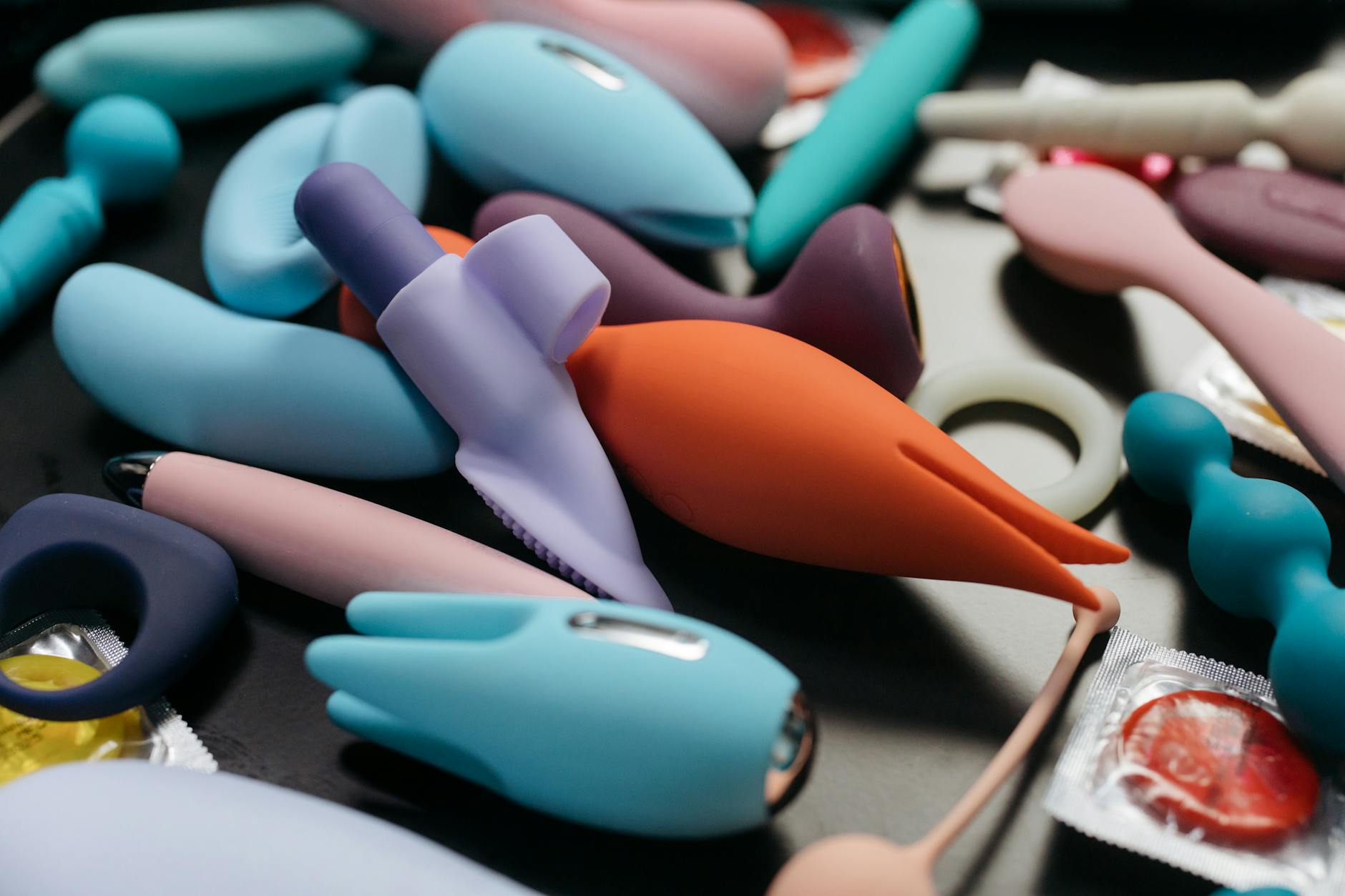
Photo by cottonbro studio on Pexels
How lemon clitoral vibrators open a different door
A lemon vibrator doesn't replace talking. It bypasses the verbal impasse and goes straight to sensation. When your partner watches you use a lemon clitoral vibrator on yourself, they're not hearing explanations. They're seeing pleasure. They're witnessing what actually turns you on, in real time, without you having to justify it.
That shift from explanation to observation is powerful. Most of the resistance partners feel toward toys comes from not understanding them. They imagine a vibrator as a replacement, as an insult, as evidence they're not enough. Watching you actually enjoy it makes it concrete and human instead of threatening.
For you, using a lemon vibrator during partnered sex also does something subtle but crucial. It says "my pleasure matters enough to prioritize." That permission you're giving yourself often surprises partners in a good way. They see someone taking care of their own body and suddenly they want to help.
The three-phase approach when communication has stalled
Phase 1: Solo first, zero pressure. Before you even mention a lemon vibrator to your partner, use one alone. Get comfortable with it. Know what you like. This isn't about performing for them later. It's about actually understanding your own pleasure without an audience. That confidence changes everything when your partner eventually sees it.
Phase 2: Casual presence, no announcement. Leave your lemon clitoral vibrator somewhere your partner might see it. Bathroom drawer. Nightstand. Not hidden, not brandished. Just... there. The anxiety you feel about this moment is usually bigger than the actual reaction. Many partners are relieved to learn their partner is thinking about pleasure at all.
Phase 3: Use it during sex without asking permission first. This is the brave part. You're not waiting for a yes. You're not explaining yourself. During foreplay, with your partner, you reach for your Lem. You're essentially saying "I want to feel good, and I'm going to." The vast majority of partners, watching pleasure unfold in front of them, lean in. They want to help. They become curious. Resistance softens when it's not theoretical anymore.
What to do if your partner actually does resist
Some partners get defensive. "Why do you need that? Aren't I enough?" This is where you might finally have the conversation you've been avoiding, but from a different angle. You're not debating toy safety or whether vibrators are feminist. You're explaining, calmly, that pleasure is not zero-sum. Your pleasure doesn't subtract from theirs.
You might say: "I like this because it feels different, not better. My body responds to it. That's not about you. It's about me knowing myself."
Or: "I want to use this with you because it gets me there faster, and I want to come with you inside me. This makes that possible."
The specificity matters. It's not "I want a vibrator." It's "I want to come, and this helps that happen, and I want that to be part of what we do together." That's not defensive. That's generous.
If your partner still refuses, that's a different conversation. That's about whether their comfort is more important than your pleasure. That's about respect. And that might need a therapist to untangle.
The physics of bridging the gap
Here's what happens when a partner who's been resistant actually watches you use a lemon vibrator. They see your breathing change. They feel your body respond differently. They watch you reach orgasm in a way maybe you haven't in a while. Something in them shifts. You're not asking them to validate anything. You're just experiencing pleasure, and they're witnessing it.
For many couples, that's the moment when conversation becomes possible again. Not because you've won an argument. But because pleasure is suddenly real and undeniable and shared. You can talk about it after because you've moved past the fear.
Lemon sexual toys, especially air-suction designs like the Lem, create a particular kind of response that partners often find visibly arousing in their own right. The suction stimulation is different from what hands or bodies alone can do. That difference is part of what makes it a tool for reconnection instead of just an object.
When your partner wants to be involved (the best part)
Once resistance softens, you might discover your partner actually wants to use the lemon vibrator on you. That's when things get interesting. They get to control the intensity. They get to watch your response in real time. They become an active part of your pleasure instead of just observing it.
This is also when communication often starts flowing again naturally. "Do you like that pressure?" "Want me to go faster?" "Should I switch patterns?" Suddenly you're talking about sex again, because you're in the middle of it and it's safe to be direct.
Some partners want to incorporate it into their own pleasure. They might ask you to use the lemon vibrator on them, or they might want to wear a vibrator during sex. The door that was closed is suddenly open, and you're exploring together instead of debating separately.
The conversation that has to happen eventually
Using a lemon clitoral vibrator can restart physical intimacy, but at some point you do need to talk. Not about whether toys are acceptable. But about what you both need, what you're both afraid of, and why connection matters enough to risk being vulnerable.
This is where a couples therapist helps if you're stuck. Not to decide whether vibrators are okay (they are), but to address the actual gap. Why did you stop talking? What are you both protecting? What's the fear underneath the resistance?
That conversation is hard. But it's harder to keep pretending pleasure doesn't matter, or that you don't matter, or that your partner's comfort is more important than the both of you actually being connected.
Lemon vibrators are tools. They're good tools. But they work best when they're part of rebuilding trust, not replacing it.
FAQ
Can using a vibrator with my partner actually improve our communication?
Not directly. But it can restart intimacy when talking has stalled, and that often makes communication possible again. You're moving from argument to experience, which shifts the dynamic entirely. The vibrator becomes a bridge back to each other instead of a symbol of conflict.
What if I use a lemon clitoral vibrator and my partner feels even more threatened?
Then you have a deeper issue than toys. If your partner can't handle your pleasure mattering, that's about control or insecurity that needs addressing in therapy, not in the bedroom. You deserve a partner who wants you to feel good. A lemon vibrator should make sex better, not more stressful.
How do I introduce a lemon vibrator without it feeling like I'm criticizing my partner's performance?
Frame it around your own experience, not theirs. "I want to feel this" instead of "You're not doing this." And show them, don't just tell them. Most partners understand quickly when they see it's about sensation, not replacement.
Can we use a lemon vibrator together without talking about it first?
Yes, and sometimes that's the easiest entry point. You're not debating. You're just doing it. Presence and action often matter more than permission when communication has broken down.
What if my partner wants to use the vibrator but I'm nervous about giving up control?
That nervousness is worth exploring. It might be about trust, about feeling watched, or about old shame. But your partner wanting to be part of your pleasure is a good sign. Start with them holding it while you guide their hand. You're still in control, but they're involved.
How long does it usually take for resistance to soften?
It varies wildly. Some partners come around in one encounter. Others take weeks. What matters is consistency and not backing down. Keep using your lemon vibrator whether they're comfortable or not. Eventually comfort follows familiarity.
Moving forward
Communication breaks down in relationships because vulnerability feels too risky. A lemon vibrator can't fix that fear, but it can create space where pleasure matters more than the fear. Sometimes that's enough to get you talking again. Sometimes it's the beginning of rebuilding trust you thought was gone.
Your pleasure deserves a voice. If words haven't worked, let sensation speak. Then listen to what your partner says next. You might be surprised how much easier it gets.
If you're still stuck after trying this, reach out to a relationship counselor. Sometimes an outside voice helps reopen conversations that feel permanently closed.