Let's start with the honest part
Arousal takes longer now. Not because something is wrong with you. Not because you need more desire. Your body is simply running a different operating system, and pretending it works like it used to is exactly the wrong move.
Here's what actually happens: blood flow slows, nerve sensitivity shifts, and the cascade of hormones that used to fire in minutes now takes 15, 20, even 30 minutes to build. Most people don't talk about this. They just assume they're broken and stop trying. That's the real problem.
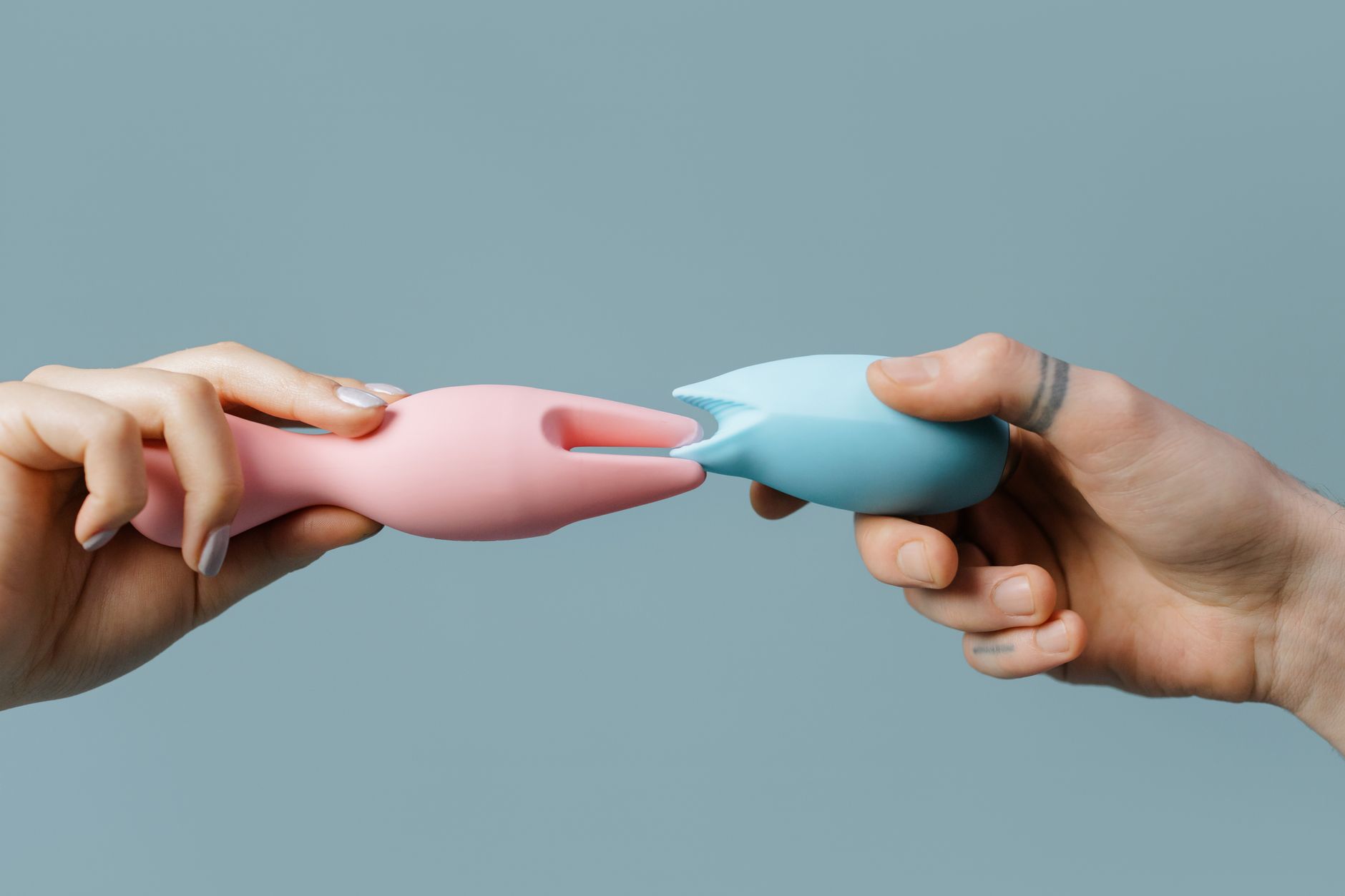
Lemon vibrators, specifically clitoral suction devices like the Lem, work brilliantly for slower arousal because they don't require you to generate the same internal intensity. They create the conditions for arousal. That's a completely different conversation.
Why arousal timing shifts as you get older
This is not about hormones alone, though they do matter. Estrogen and testosterone both decline gradually after our mid-40s, and yes, that affects tissue elasticity and blood flow. But the bigger culprit is usually distraction.
By your 40s and beyond, your nervous system has logged decades of competing demands. Work stress, relationship history, family obligations, grief, medical appointments, financial worry. All of that lives in your body. Arousal requires your parasympathetic nervous system to activate, which is nearly impossible when your sympathetic system is busy running a background anxiety program.
The second factor is sexual friction you might not have named yet. Maybe your partner's timing doesn't match yours anymore. Maybe you've been faking or rushing for so long that real desire feels foreign. Maybe sex has felt obligatory rather than mutual, and that takes a cost. When you've spent years performing, turning things around takes time.
Third: many medications genuinely slow arousal. SSRIs, blood pressure meds, antihistamines. If you've started something new and noticed a lag, that's real. Discuss it with your GP.
None of this means arousal is going away. It means the pathway is different.
How lemon vibrators help reframe slower arousal
A device like the Lem bypasses the waiting game entirely. Instead of spending 30 minutes building arousal internally and then hoping your partner shows up with the right energy, you can generate physical pleasure directly. This is not a workaround. This is a strategy.
Clitoral suction feels different from traditional vibration because it stimulates nerve endings through gentle pressure and release rather than friction. For people whose arousal has slowed, this matters: it's not demanding. It doesn't require you to be already turned on to feel good. You can literally feel pleasure building into arousal rather than waiting for arousal to happen first.
Many of my clients in their 40s and beyond tell me the same thing: "I didn't realize I was waiting for my body to feel like it used to. Once I stopped waiting and just started using the Lem, I remembered what pleasure actually feels like."
That shift from waiting to doing is massive.
The practical timeline: rebuilding arousal with a lemon sucker
If you've been experiencing slow or absent arousal, here's what I recommend to restart things:
Week one: solo exploration. Use your lemon clitoral vibrator without any pressure to achieve arousal or orgasm. The goal is simply noticing. Fifteen minutes, low to medium intensity, no performance metrics. What patterns do you notice? Does pleasure build gradually or arrive suddenly? Does your body have a rhythm you'd forgotten about?
Week two: extend the timeline. Increase to 20 minutes. Start at the lowest setting and gradually increase. Don't rush. Your nervous system is learning that pleasure is safe, that slowing down doesn't mean stopping.
Week three: add context. This is where you might bring a partner in, or continue solo, depending on what you want. The key is removing the pressure that arousal should happen quickly. If you're with a partner, tell them explicitly: "I'm rebuilding my relationship with pleasure. This isn't about you. It's about me remembering what works for my body now." Most good partners find that information clarifying, not rejecting.
Week four and beyond: integration. You might use a lemon vibrator as foreplay with a partner, or as the main event solo. There's no rule. The point is you're no longer waiting for arousal to arrive on a timeline that no longer fits.
When arousal lag is actually about your relationship
I want to pause here because this is clinically important. Sometimes slow arousal is about your body. Sometimes it's about your relationship.
Signs it might be relational:
You feel aroused easily on your own but not with your partner. There's tension or resentment you haven't addressed. Sex has felt obligatory for a while. You're not sure you trust them anymore. You feel unseen or unheard outside the bedroom.
If any of those land, a lemon vibrator can help in two ways. First, it gives you data. Using the Lem solo, you'll learn if arousal actually works. Then you know the issue is relational, not physiological. Second, it can be a bridge back into intimacy if you're both willing. Many couples find that introducing a device together, with conversation, actually rebuilds connection because it removes the performance pressure that was killing desire in the first place.
But a device cannot fix an unfixed relationship. If the disconnect runs deeper, talking to a couples therapist is not optional. Worth it is an understatement.
The pacing mistake most people make
Here's what I see constantly: someone gets a lemon vibrator, expects it to work immediately like it's supposed to solve everything in one session, then gets frustrated when arousal still feels slow.
That's like expecting to run a 5K after walking for five years. Your body needs to remember what pleasure feels like. That takes time.
Set realistic expectations. If arousal has been slow for months or years, rebuilding it takes weeks, sometimes months. That's normal. Your nervous system is learning safety. Your body is remembering sensitivity. Patience is not passive. It's the active work of showing up, consistently, without judgment.
Most people find that by week six or eight of regular use, something shifts. Arousal starts arriving faster again. Orgasms feel more available. Desire returns. But there's usually a lag between starting and noticing. Expect that lag. Plan for it.
The role of communication with a partner
If you're using a lemon clitoral vibrator with a partner, clarity matters more than anything else.
Don't introduce it as "I'm broken and need help." That framing tanks intimacy. Try: "My arousal is taking longer than it used to, and I'm experimenting with ways to work with that instead of fighting it. I'd like to try this together." Or: "I want to rebuild pleasure in my own timeline. I'd like your support, but I need you to know this is about me, not about you."
Most partners respond well when they understand the goal is closer to you, not away from them.
Then, use it together without making it weird. The Lem doesn't replace partnered sex. It's often foreplay, sometimes the main event. There's no formula. You get to write it.
When to see a doctor about slow arousal
If arousal lag appeared suddenly and nothing in your life changed, mention it to your GP. Sometimes slow arousal signals thyroid issues, vitamin deficiency, medication side effects, or hormonal shifts that warrant attention.
If slow arousal comes with pain, or with complete numbness despite physical stimulation, that's also worth clinical investigation. Genitourinary syndrome, nerve damage, or other physiological conditions respond well to treatment when they're named.
But if arousal has just gradually slowed over years, and your health markers are normal? That's aging. That's normal. That's exactly what a tool like a lemon vibrator is designed for.
FAQ: Arousal, age, and lemon vibrators
Is slow arousal at 45 or 50 a sign that I'm losing sexual function?
No. Arousal changes, not disappears. What shifts is speed, not capacity. Many people report more intense orgasms and deeper pleasure after 40 than before, once they adjust to the new timeline. Using a lemon clitoral vibrator can actually accelerate arousal by stimulating nerves directly, which is why many find them particularly helpful in midlife and beyond.
How long should I wait before using a lemon vibrator if arousal is slow?
You don't need to wait for spontaneous arousal. That's the whole point. You can use a lemon sucker to generate arousal rather than waiting for it to happen. Many people find it helps to budget 20 to 25 minutes for the full experience, including warm-up time, which gives your nervous system space to activate.
Will using a lemon vibrator make my partner feel like they're not enough?
Only if you frame it that way. If you present it as "I'm rediscovering what works for my body now" rather than "you're not turning me on," most partners feel included rather than replaced. Honesty about your timeline and your body is actually intimate. It builds trust.
Can slow arousal be reversed without a device?
Sometimes. Stress reduction, better sleep, partner communication, and addressing relationship friction all help. But if those haven't worked, a device like the Lem can jumpstart the process by showing your body that arousal is still available. Think of it as recalibrating your nervous system. For many people, particularly after 40, that recalibration is easier with physical stimulation than without.
What if I use a lemon vibrator and still don't feel aroused?
That usually means one of three things. First, you might need more time. Slow arousal sometimes takes 20 to 30 minutes to build even with direct stimulation. Second, there might be a relational or emotional block. If you feel resentful, unsafe, or obligated in your partnership, arousal often stays offline as a form of self-protection. Third, it could be medical. If nothing feels good after six weeks of consistent use, see a gynecologist who specializes in sexual function. That's worth investigating.
Is there a best lemon vibrator for slow arousal?
The Lem is designed specifically for ease of use and adaptable intensity, which makes it popular for people rebuilding arousal. Start on the lower settings and increase gradually. The point is not to maximize intensity right away, but to rebuild your body's sensitivity and pleasure response. That process benefits from a device that lets you dial it in, not force it.
The bottom line
Arousal takes longer now. That's not a loss. It's a different chapter. And honestly? Once you stop fighting it and start working with it, pleasure often gets richer, not thinner.
A lemon vibrator like the Lem is a tool for that transition. It removes the pressure to perform and creates the conditions for genuine pleasure to return. Give your body time. Give yourself patience. The capacity for arousal is still there. Your nervous system just needs permission to slow down and remember what it feels like to want something again.
If you're curious about how this all works or want to talk through your specific situation, reach out. That's what I'm here for.