Let's talk about what anxiety actually does
Anxiety doesn't just make you feel worried. It makes your body refuse to cooperate. Your nervous system reads threat (real or imagined) and triggers the freeze response. Blood pools away from your genitals. Your pelvic floor tightens. The cascade of chemicals that normally builds arousal gets blocked before it even starts. This isn't a character flaw or a sign you don't want your partner. This is neurobiology.
The frustration most people describe is real: "I want to be turned on, but my body won't play along." Anxiety creates that gap between intention and sensation. And once you notice the gap, anxiety about the anxiety kicks in, which makes the freeze even deeper.
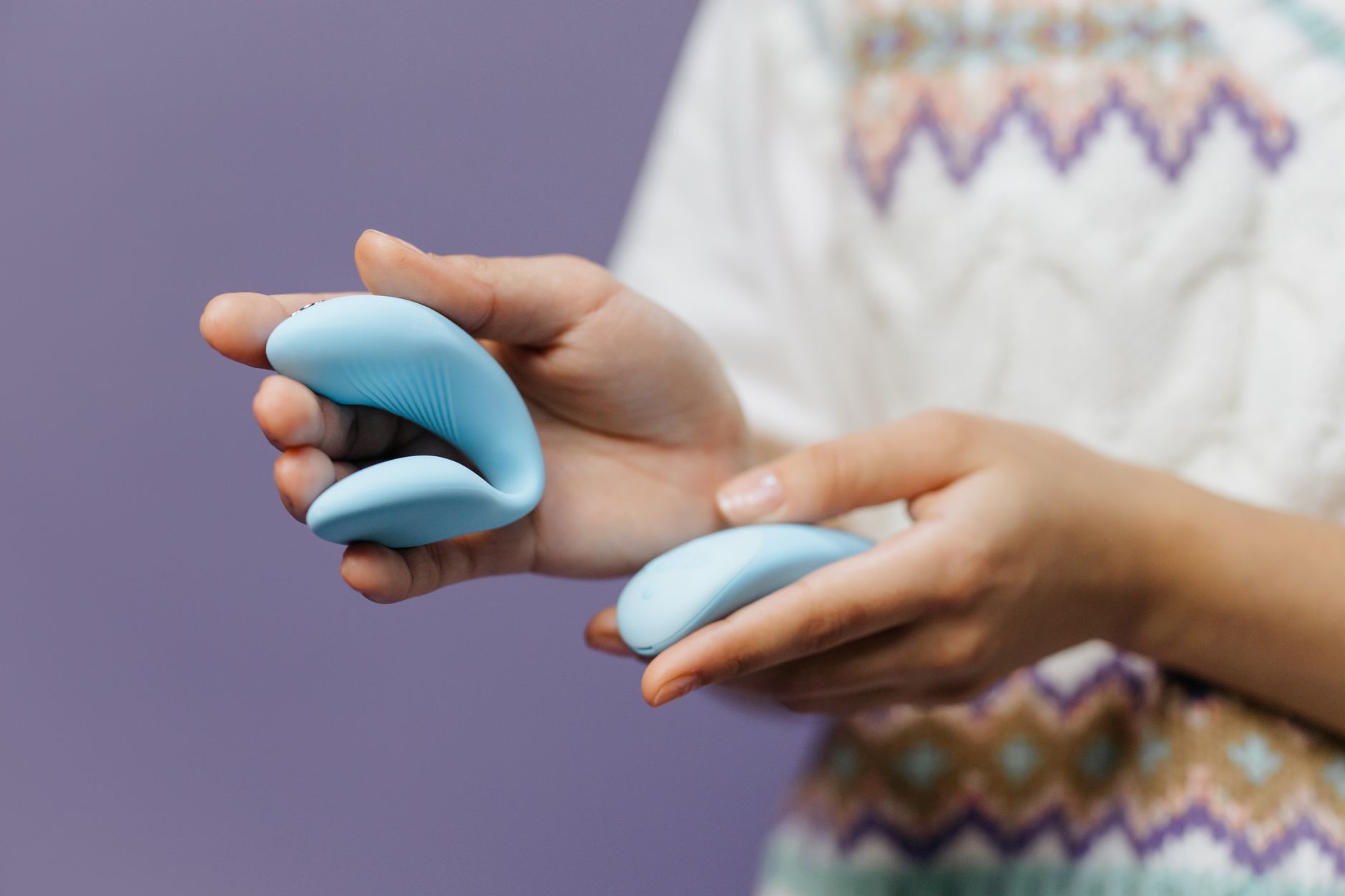
Here's the thing about lemon vibrators and clitoral suction tools like the Lem. They're specifically designed to work with a nervous system that's struggling. They don't require you to already be aroused. They don't demand you have the mental bandwidth to stay present. They do one job very well: they stimulate the clitoris directly without the friction that can feel overwhelming when you're already tense.
How anxiety hijacks the arousal pathway
Your nervous system sits on a spectrum. At one end is parasympathetic activation (rest and digest, where arousal lives). At the other is sympathetic activation (fight or flight, where anxiety lives). Anxiety pushes you so far toward sympathetic that parasympathetic arousal can't coexist in the same space.
When you're anxious, your body deprioritizes pleasure. Blood diverts to major muscle groups. The vaginal walls don't expand as easily. The clitoris doesn't engorge as quickly. Lubrication stalls. That's not laziness or lack of desire. That's your nervous system doing exactly what it evolved to do when it perceives danger.
The problem with traditional vibrators when you're anxious is that they often require you to already have baseline arousal to feel good. You're supposed to be somewhat turned on before you use them. But if anxiety is keeping you in freeze, you never get to that baseline. You end up holding a vibrator feeling nothing, which triggers more anxiety ("Am I broken?"), which deepens the freeze further.
Lemon clitoral vibrators work differently. They use suction, not vibration. Suction stimulates the clitoral nerve directly through gentle pressure and release patterns. You don't need pre-existing arousal. You need ten minutes and a tool that actually works on a nervous system in freeze.
Why suction beats friction when you're tense
Think about tension as protective. Your pelvic floor muscles tighten to guard against threat (even imagined threat). Friction from a traditional vibrator can feel invasive when those muscles are clenched. Suction, by contrast, feels like a rhythmic pull. It's less aggressive. It's easier to relax into.
More importantly, suction activates a different sensory pathway than vibration does. You're getting pressure-based stimulation, not speed-based. This is significant because anxiety tends to make us hypersensitive to certain kinds of input. A vibrator at full power can feel agitating when you're already jittery. The pulsing patterns of a lemon sucker vibrator feel rhythmic and contained. Your nervous system can track it. You can predict it. Predictability is calming.
I often recommend clients start with the lowest suction setting (patterns 1-2 on most lemon vibrators) and stay there for a full session before moving up. The goal isn't intensity. It's teaching your body that this sensation is safe. That it won't escalate without your control. That you can stop anytime. That's the permission your nervous system needs.
Building arousal from a frozen state
If you're starting from deep anxiety, you can't force arousal. But you can create the conditions where it might emerge. Here's the practical sequence I recommend:
Start with your environment. Five to ten minutes of settling. Lights dimmed, phone off, no pressure to achieve anything. This isn't about candles and wine. It's about signaling to your nervous system: there is no threat right now. The best tool for this is breathing. In for four, hold for two, out for six. This activates your parasympathetic nervous system. Do this for two minutes before you even touch yourself.
Then, touch your body slowly. Shoulders, forearms, inner wrists. Anywhere sensitive that isn't goal-oriented. The goal here is to wake up sensation in low-stakes areas. Your nervous system needs permission to feel safe feeling pleasure anywhere. This takes five minutes. Don't rush it.
When you introduce a lemon clitoral vibrator like the Lem, start with the gentlest setting. Place it over the clitoris and let it sit there for a breath or two. Don't move it. Don't increase intensity. Just let your body register the sensation. Most anxiety-frozen nervous systems need 2-3 minutes of just this before anything shifts.
If you feel sensation building, stay there. If you don't, that's okay too. The win is that you used the tool without your nervous system rejecting it. That's the baseline. Arousal might come. It might not. Your job is to show your body that pleasure is possible, not to force it to happen on schedule.
The partner element (if there is one)
Much of the anxiety people describe during sex is performance anxiety. You're watching yourself from outside your body. You're monitoring whether you're doing it right. Whether your partner is bored. Whether your lack of arousal is a sign you don't love them enough. That meta-anxiety is often bigger than the original anxiety.
If you're partnered, the clearest conversation you can have is: "I'm going to use this tool to help my nervous system relax. This has nothing to do with you or how I feel about you. If you want to be in the room while I do this, that's fine. If you want to join in, that's fine too. But I need you to understand that I'm not performing for you. I'm not trying to turn you on. I'm trying to help my body feel safe."
Partners often have no idea this distinction matters. They think they're supposed to do something, fix something, or perform better. Removing that expectation is sometimes the biggest shift that happens. Once your partner understands you're in nervous system recovery mode, not rejection mode, the pressure usually lifts. And sometimes that relief alone is enough to crack the freeze.
When this becomes a mental health issue
If your anxiety is persistent, if it's affecting multiple areas of your life, if you find yourself avoiding sexual situations entirely, lemon vibrators are a helpful tool but not a treatment. You'd benefit from talking to a therapist, particularly one trained in somatic therapy or EMDR. Anxiety that lives in the body needs body-based intervention.
A good therapist can help you understand what your nervous system is actually protecting you from. Sometimes anxiety during sex is about the sex itself. Often it's about something entirely different that your body is channeling through sexual avoidance. Untangling that usually requires professional support.
What I can tell you is that clitoral vibrators work best when you're doing the deeper nervous system work too. They're not a substitute for therapy. They're a support tool that makes the therapy easier because they give your body consistent positive feedback that pleasure is possible and safe.
FAQ
Can anxiety permanently damage your ability to have orgasms?
No. Anxiety suppresses arousal. It doesn't rewire your nervous system permanently. Once you address the anxiety (through therapy, medication, lifestyle changes, or usually some combination), arousal typically returns. The pathway is still there. It's just being blocked by your threat response right now. That's temporary.
How long does it usually take before a lemon vibrator feels good when you're anxious?
It depends on how deeply frozen you are. For mild anxiety, you might feel a shift in one or two sessions. For moderate to severe anxiety, it can take two to three weeks of consistent use before your nervous system trusts the sensation. The key is consistency without pressure. Use the tool regularly, but don't expect it to work instantly. Your body is learning something new: that pleasure is possible even when you're stressed.
Is it normal to feel nothing the first few times you use a clitoral vibrator when anxious?
Completely normal. Your nervous system is still in protective mode. You're essentially asking it to feel pleasure while it's convinced there's danger. That's a lot to ask. The first few uses are about building the neural pathways that say "this is safe." Sensation often comes after that safety is established, not before.
Should you use a lemon vibrator alone or with a partner when managing anxiety-related arousal issues?
Start alone. Full stop. You need to build a solo sexual practice where you're not monitoring anyone else's experience. Once you've established that you can use the tool comfortably on your own and have experienced some sensation and pleasure, then you can decide if you want a partner involved. There's zero rush. Solo exploration is where you build trust with your own body.
Can medication for anxiety affect how a vibrator feels?
Yes. SSRIs in particular can sometimes delay arousal or orgasm. That's a known side effect. If you've recently started a new medication and noticed a change, talk to your prescriber. Sometimes adjusting the dose or timing helps. Sometimes you need a different medication. And sometimes you need to use your lemon vibrator differently: longer warm-up time, lower intensity, more breathing work. The tool still works. You might just need more patience with it.
Is the Lem better than other lemon vibrators for anxiety-related arousal issues?
The Lem is specifically designed with suction patterns that work well for nervous systems in freeze. The pattern options let you start very gentle and build from there. Other clitoral vibrators are excellent too. The key features you're looking for are: suction over pure vibration, multiple low-intensity settings, and a quiet motor. Any lemon sucker vibrator with those qualities will work. The Lem happens to do all of that exceptionally well.
The path forward
Anxiety affecting your arousal is one of the most common issues I see. It's also one of the most treatable. A clitoral vibrator like a lemon sucker can be part of your solution. It works best when you're also doing the nervous system work: therapy, breathing, mindfulness, or whatever helps your particular nervous system feel safe. There's no single fix. But there is a way forward, and it doesn't involve forcing yourself to feel something you're not ready to feel yet.
Your body is trying to protect you. Your job is to help it understand that pleasure is not a threat. That takes time and the right tools. A lemon vibrator is one of those tools.