How Lemon Vibrators Improve Sensation When Using Multiple Medications
When antidepressants, blood pressure meds, and hormonal treatments all stack up, pleasure gets buried. Here's how air-suction lemon clitoral vibrators can restore what medication takes away.
If you're managing multiple conditions, you're probably on multiple medications. Antidepressants, blood pressure medication, thyroid replacements, allergy drugs—they stack up quietly. And somewhere in that pharmaceutical portfolio, your ability to feel pleasure gets quietly erased.
One medication that affects sensation is annoying. Two is concerning. Three or more? That's when the problem stops being about any single drug and becomes about the cumulative load on your nervous system.
Here's what happens. SSRIs and SNRIs dampen dopamine and serotonin, which slows arousal. Beta blockers reduce blood flow to genital tissue. Antihistamines dry mucous membranes. Hormonal birth control or hormone therapy shifts blood flow distribution. Add them together, and your nervous system isn't just receiving fewer signals—it's receiving them more slowly, less sharply, and through a fog of competing chemical interference.
The clitoris has around 8,000 nerve endings. But if the pathways sending those signals are quieted by medication, those nerve endings might as well be dormant.
Traditional bullet vibrators and wand vibrators rely on friction and direct pressure to build stimulation. For someone with dulled sensation, that means turning the intensity way up. But higher intensity often doesn't translate to pleasure when your nervous system is chemically dampened. It just becomes numb pressure.
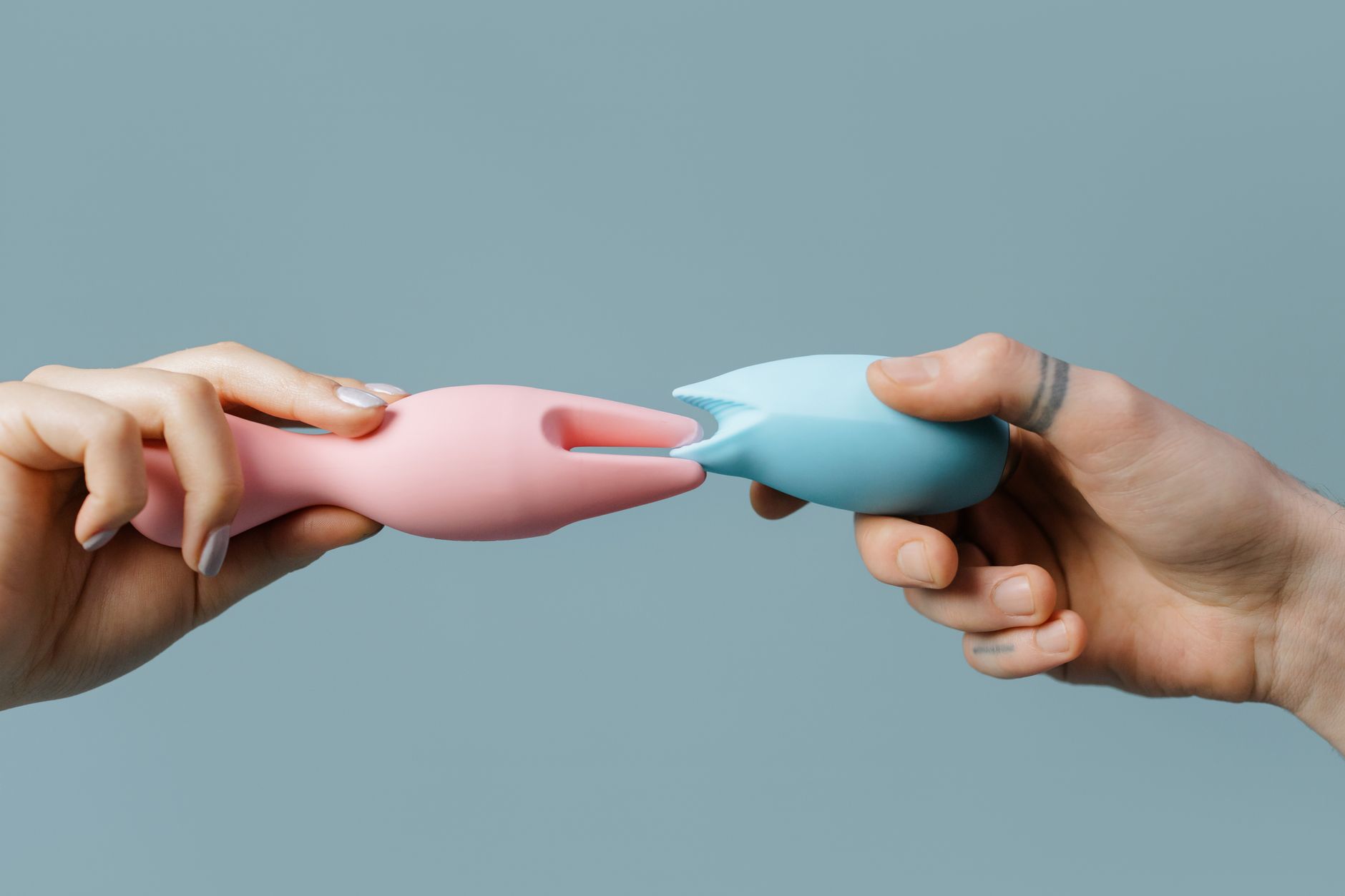
Air-suction lemon vibrators work differently. They use gentle suction pulses that activate nerve clusters without requiring the kind of raw friction that becomes exhausting on insensitive tissue. The Lem, for example, creates a seal and pulses suction rather than vibrating against you. This matters because suction engages the vagal nerve—a key pathway for pleasure that doesn't require the same baseline sensitivity that friction does.
When your baseline sensation is already lowered, you need a different tool. You need something that works with your nervous system rather than demanding more of it.
Not all drugs affect pleasure equally. Here's what I see in practice.
SSRIs and SNRIs (sertraline, paroxetine, venlafaxine). These are probably the most common culprit. They lower dopamine, which is essential for desire and arousal. They also affect serotonin, which plays a role in orgasm. The irony is brutal: the drugs that save your mood can flatten your sex drive. When you're on these, the lag between stimulation and response gets noticeably longer. A lemon clitoral vibrator's gentler stimulation pattern can actually help here because it doesn't require the same hair-trigger responsiveness.
Beta blockers (metoprolol, atenolol). These reduce heart rate and blood pressure by slowing the cardiovascular response. That means less blood flow to the vulva, less engorgement, less sensation. Air-suction toys that rely on creating suction rather than friction can still work because they're activating nerve endings through a different mechanism.
Antihistamines (cetirizine, diphenhydramine). These dry out mucous membranes everywhere, including your vulva. Sensation isn't necessarily lost, but dryness creates friction and pain. This is solvable with lubricant, but sensation-wise, the issue is texture, not numbness.
Hormonal contraceptives and HRT (combined pills, patches, progesterone-only methods). These shift estrogen and progesterone, which affects blood flow and tissue thickness. If you're on HRT and a contraceptive, the interaction can create unpredictable sensation. Sometimes it's heightened, sometimes it's flat. A lemon vibrator gives you a consistent tool that works regardless of where your cycle or hormone levels are.
ACE inhibitors and ARBs (lisinopril, losartan). These are less directly impact-ful on sensation than beta blockers, but they can contribute to fatigue and reduce overall blood flow during arousal.
The more medications, the more layers of dampening. This is why someone on three or four drugs might feel nothing with a standard vibrator but feel something distinct with a lemon sucker vibrator.
You can't change your medications without your doctor—some of them are keeping you stable or healthy. But you can optimize the tools you use for pleasure.
Start low, go slow. When sensation is already dampened, it's tempting to crank the intensity immediately. Don't. Begin at the gentlest setting and spend 10-15 minutes letting your body register even subtle sensation. Your nervous system is capable of remembering how to respond, but it takes time.
Use generous lubrication. Multiple medications often mean dry tissue. Water-based lube reduces friction and makes sensation cleaner. It also protects thin tissue from irritation. This is non-negotiable.
Time it right in your cycle. If you menstruate, estrogen is higher in the follicular phase (first two weeks). That's when sensation is naturally sharper. If you're on hormonal contraception, this varies, but tracking which days feel more responsive and scheduling self-pleasure then can help.
Budget more time. When multiple medications are involved, arousal takes longer. Not because something's wrong, but because the neurochemical cascade that creates arousal is slower. A lemon clitoral vibrator can help short-circuit that lag—the suction stimulation activates pathways that don't require the same slow build-up.
Consider lemon vibrators over traditional toys. Air-suction toys bypass some of the sensation dampening because they work on suction and pulse rather than vibration and friction. For someone on multiple medications, that's significant. The Lem, for instance, creates stimulation through pressure waves that activate nerves differently than a standard vibrator.
Don't assume your doctor knows. Sexual function isn't routinely discussed during medication reviews unless you bring it up.
Next time you're reviewing meds, say this: "I've noticed that my ability to feel pleasure has changed significantly since starting these medications. Is this a known side effect, and are there any adjustments we could make—either to dosing, timing, or switching to an alternative medication?"
Some doctors will have solutions. Others will minimize it. If it's an SSRI causing the issue, some people benefit from taking it at a different time of day or taking a "drug holiday" (skipping a dose before planned intimacy). Some benefit from adding bupropion, which increases dopamine. Some switch to a different antidepressant entirely.
You deserve to advocate for this. Pleasure isn't frivolous. Sexual function is a marker of overall health, relationship satisfaction, and quality of life.
Honestly? It takes patience. If you've been on multiple medications for months or years, your nervous system has adapted to the dampening. Switching to a lemon vibrator won't restore sensation overnight.
But many people report noticeable shifts within 2-4 weeks of consistent exploration. Within 8 weeks, most people find a rhythm where they're reaching orgasm regularly again, even if the experience feels different than it did before medication.
The goal isn't to restore exactly what you had. It's to find what works for your body now, with the medications you need, and make space for pleasure anyway.
If you're on multiple medications affecting sensation, it's rarely one fix. You might need lube plus a lemon clitoral vibrator plus more time plus a conversation with your doctor about timing or dosing. You might need to rebuild pelvic floor awareness alongside exploring sensation. You might benefit from talking with a partner about slower, longer sessions that work with your nervous system rather than against it.
Like your medication regimen, your pleasure toolkit might be layered. And that's okay. What matters is that you have tools that actually work for your body as it is now.
Yes. Antidepressants affect dopamine and serotonin, which slow arousal and can delay or prevent orgasm. But they don't destroy the mechanics of sexual response. A lemon clitoral vibrator activates nerve pathways differently than traditional vibrators—through suction rather than friction—which can work around some of the dopamine dampening. You'll likely need more time and gentler stimulation than you did before medication, but sensation and orgasm are absolutely possible.
It varies widely. Some people notice improvement within days of trying a new toy. Others take 2-4 weeks of consistent exploration before sensation starts returning. The key is consistency and patience. Your nervous system didn't lose sensation overnight, and it won't regain it overnight either. But most people report meaningful progress within 8 weeks of regular use and the right tools.
Yes. Blood pressure medication might reduce blood flow to your genitals, which can dampen sensation, but it doesn't make vibrators unsafe. In fact, because lemon vibrators work through suction rather than friction, they might work better than traditional vibrators when blood flow is reduced. Always use water-based lubricant to support tissue health, and start at a low intensity.
Absolutely not. Your medications are managing important health conditions. Sexual function matters, but it doesn't matter more than your mental health, heart health, or other conditions your meds are treating. Instead, work with your doctor on optimizing either the medication itself (different timing, different drug, added medication) or your pleasure toolkit. A lemon vibrator and good communication with your doctor can solve this without sacrificing your health.
Yes, they absolutely can. Three medications that each slightly dampen sensation create a compounding effect. Your nervous system receives fewer signals, processes them more slowly, and receives them through multiple layers of chemical interference. This is why someone on one antidepressant might notice no change in sensation, but someone on an antidepressant plus a beta blocker plus an antihistamine might feel almost nothing. The stacking matters. This is also why a tool designed to work around dampened sensation—like a lemon clitoral vibrator—can make such a difference.
You don't have to, but it can be useful context. If your doctor is helping you optimize medications for sexual function, knowing that you're using specific tools helps them understand your baseline and progress. You could frame it as: "I'm using air-suction clitoral stimulation tools to rebuild sensation. Is there anything in my current medications that might work against that?"
Multiple medications is complex. Your body is doing important work managing multiple conditions, and pleasure is still part of health. A lemon vibrator isn't a magic fix for medication-related sensation loss. But it's a tool specifically designed to work when dampened sensation makes traditional toys feel like nothing.
Start gentle. Use the right lubricant. Give yourself time. And if nothing shifts after a month of consistent exploration, that's the moment to loop your doctor back in. They might suggest adjustments to your regimen that help—and you deserve to ask for that.
Your pleasure matters. It's worth advocating for, even when medication gets in the way. If you want to talk through what might work best for your specific situation, reach out.