How Lemon Vibrators Help When Arousal Builds Slowly After Fifty
Slower arousal isn't broken arousal. Here's what changes in your fifties, why it's not your fault, and why lemon clitoral vibrators were basically designed for this exact phase of life.
Arousal takes longer now. Not a little longer. Sometimes a lot longer. You're not imagining it, you're not broken, and you're definitely not alone. What's happening is real physiology meeting a body that's been through decades of living, hormonal shifts, and the kind of accumulated fatigue that doesn't show up in blood work.
Here's the thing nobody explains clearly: slow arousal after fifty isn't a problem to fix. It's a signal that your body needs a different approach. And that's actually where lemon clitoral vibrators shine.
Three biological shifts happen around this time, and they work together.
Estrogen continues declining. If you're past menopause, estrogen stays low. If you're in perimenopause, it's dropping unpredictably. Either way, lower estrogen means less blood flow to genital tissue, which means arousal takes longer to build visibly. Your nerve endings are still there. The pathway is still there. The signaling is just slower to start.
Testosterone drops too. People with ovaries produce testosterone in the ovaries and adrenal glands. By fifty, testosterone is often 30 to 50 percent lower than it was at thirty. Testosterone isn't just about desire. It's also about the speed at which your nervous system responds to stimulation. Less of it means the chain reaction takes longer to ignite.
Your nervous system gets more selective. This isn't weakness. After decades of responding to whatever stimulus came along, your nervous system becomes more discriminating. Casual or obligatory sex doesn't land the same way. Your body needs genuine interest, safety, and often a longer wind-up to engage.
Combine all three and you get arousal that takes 15 to 25 minutes to build instead of five. Which feels like a problem until you realize: the pleasure is still there. It just has a longer arc.
Most vibrators are designed for someone who's already halfway there. They're powerful, direct, and assume you want intensity right away. That works fine when arousal builds quickly. It doesn't work as well when your body needs patient, sustained stimulation to get going.
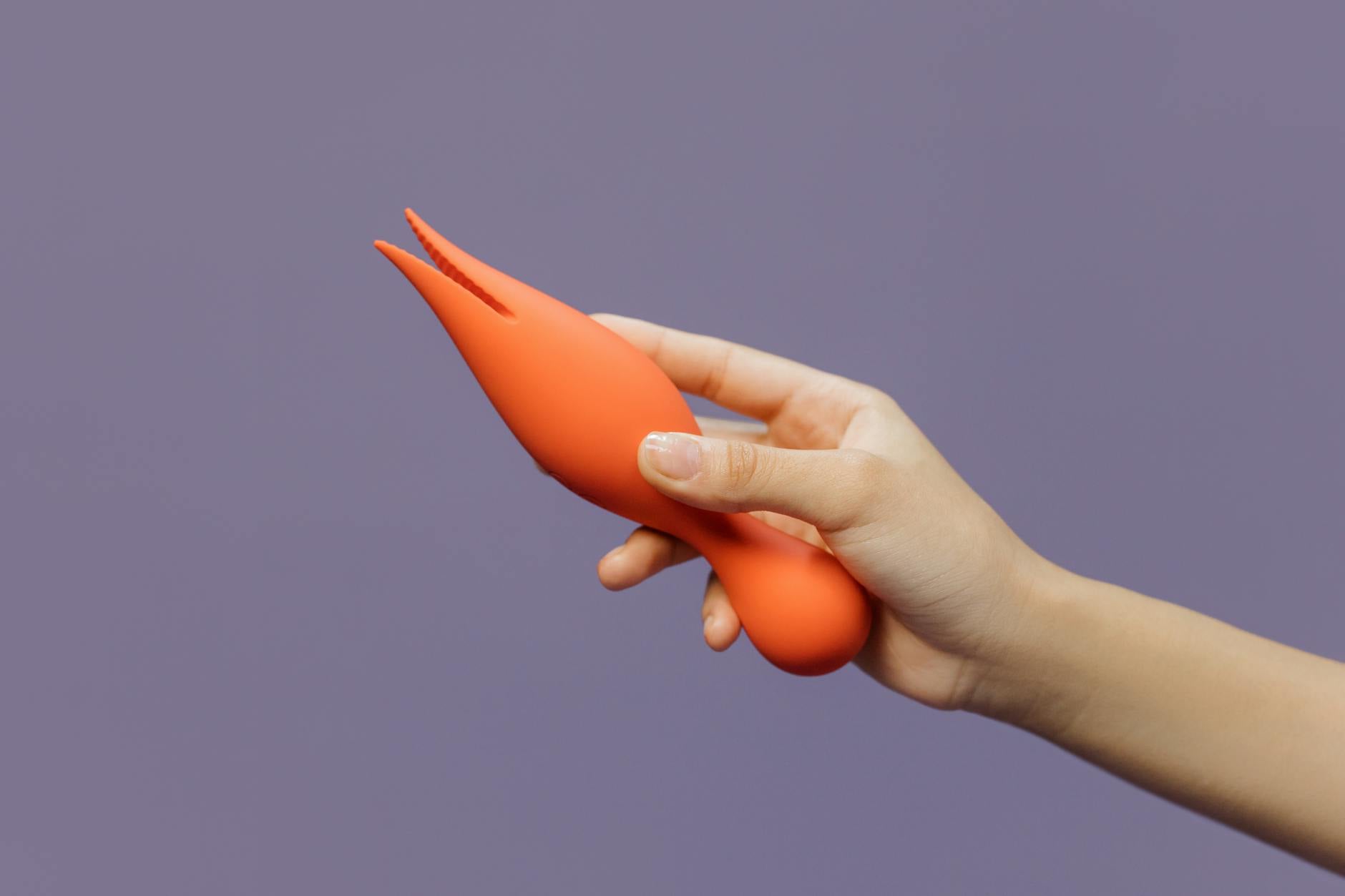
Lemon clitoral vibrators like the Lem use suction and gentle pulsation instead of rattling vibration. This matters because suction engages nerves differently than friction does. It's less aggressive to tissue that's thinner and more sensitive. It also gives your nervous system something sustained to work with instead of a jolt.
Here's what I see in practice: people in their fifties using lemon adult toys report that the sensation feels like permission. It's not demanding an immediate response. It's inviting one. And that makes all the difference when arousal has become slower and more conditional.
Four adjustments transform the experience when you're working with slower arousal.
Budget time, seriously. Don't schedule sex for forty-five minutes and hope it happens in thirty. Set aside ninety. The first thirty minutes is just warm-up. The next thirty is where things actually start building. The final thirty is where it gets interesting. This isn't indulgent. It's respecting how your body works now.
Start with no pressure. Use a lemon vibrator on the lowest setting while you're doing something else. Reading. Watching something. Just sitting together. Let arousal sneak up on you instead of performing for it. This is radically different from the approach that works at thirty.
**Extend foreplay way beyond what feels "normal." ** Twenty minutes of touch, kissing, or just being close. Then introduce the lemon clitoral vibrator. The sustained attention primes your nervous system. Your body registers that this is safe, intentional time. That registration is what unlocks arousal.
Use lubrication even if you don't think you need it. Tissue in your fifties needs more help. Water-based lube isn't weakness. It's a tool that reduces friction and makes sensation clearer. Ironically, lube often makes arousal build faster because you're not fighting physical resistance.
Slower arousal in your fifties often collides with other stuff. Your partner might interpret it as a sign you're not interested. You might interpret it as proof that your sexual self is fading. Neither is true. What's true is that your nervous system has gotten pickier about what it engages with.
This is actually a gift if you lean into it. Sex after fifty can be so much more intentional. You're not having it because of social pressure or obligation or "keeping the spark alive." You're having it because you genuinely want to. And that selectivity changes everything about the experience.
If you have a partner, the conversation matters. "My arousal is slower" is a fact to plan around, not a crisis to manage. It's no different than "I need reading glasses now" or "My knees hurt on hard floors." It's just information about how the body works in this decade.
They're most helpful when you're experiencing slow arousal but your desire is intact. You want sex. You just need your body to catch up to your mind. That's exactly what lemon vibrators are built for.
They're less helpful if your desire itself has disappeared completely. That's a different conversation, possibly involving hormone therapy or exploring what's actually causing the desire loss. Sometimes it's not arousal speed. It's depression. It's anger at a partner. It's grief or burnout. A toy can't fix those things.
But if you've got desire and your body just needs patient, sustained stimulation to wake up. If you need something that works with slower arousal instead of against it. If you want a tool that reminds you that pleasure is still available to you in your fifties. That's where a lemon clitoral vibrator becomes genuinely transformative.
Using a lemon vibrator is giving yourself permission to take sex slower. To say "my body works this way now and that's fine." To stop treating arousal speed like a performance metric. To measure good sex not by how fast it happened but by how present you actually were.
Your fifties are not the beginning of decline. They're the middle of a completely different kind of sexual life. One with fewer distractions. More choice. Better orgasms. Deeper presence. Slower arousal is part of that package. And honestly? It's the better deal.
There's no "should." But fifteen to twenty-five minutes is common and completely normal. Some people take longer. The important part is that you're not fighting your body's timeline. You're not comparing it to how fast things happened at thirty. You're meeting your actual body where it is now.
Yes. Time, attention, reduced pressure, and the right tools help enormously. A lemon clitoral vibrator can bridge the gap by providing sustained, gentle stimulation while your nervous system wakes up. Extending foreplay, using lubrication, and removing the pressure to perform also shift things dramatically. Hormone therapy is available if you and your doctor think it's relevant. But most people find that the lifestyle adjustments alone transform the experience.
Not necessarily. You can have strong desire and slow arousal simultaneously. Desire is "I want this." Arousal is your body's physical response. They're different systems. After fifty, people often have better desire because there's less obligation and more choice. The arousal response just takes longer to build. That's the only thing that's changed.
They work particularly well for people with slower arousal because suction-based stimulation is gentler and more sustained than traditional vibration. But bodies are individual. Some people prefer stronger intensity. Some prefer a wand. The best approach is experimenting with what feels right to your specific nervous system. A good toy is one that works with your actual arousal pattern, not one you're forcing yourself to use.
Absolutely not. Your body is responding exactly as it's supposed to at fifty-plus. Comparing yourself to how you functioned at thirty is like comparing your running time at sixty to your running time at twenty. You're not failing. You're aging. And there's nothing shameful about that.
Completely. A partner who understands that slow arousal is normal and plans accordingly changes everything. Extended foreplay. Removing the pressure to perform. Being present instead of goal-focused. If you're with someone who interprets slow arousal as rejection, that's a relationship conversation, not a body problem. You might find that exploring pleasure together with a lemon vibrator takes some pressure off and makes the whole experience less performative.