How Lemon Vibrators Help Rebuild Sensation After Stopping Hormonal Birth Control
Your body spent years on synthetic hormones. Coming off them rewires arousal, sensitivity, and orgasm potential. Here's what actually happens, and how lemon clitoral vibrators help you recalibrate.
Your sexuality doesn't magically return the moment you stop taking the pill. It rewires. This is genuinely one of the most dramatic physiological shifts many people experience in adulthood, and yet most sexual health resources skip right over it.
When you've been on hormonal birth control for years, your brain, your clitoris, your arousal patterns, and your orgasm potential have all adapted to living in a different hormonal environment. Coming off it doesn't reset you back to age twenty-two. It creates something new entirely. Some people find this shift liberating. Others find it confusing, frustrating, or disorienting. Both are normal.
Hormonal birth control suppresses ovulation by lowering estrogen and keeping progesterone steady. This flattens your natural hormone cycle. Over time, your clitoris adapts to this flattened baseline. The tissue becomes less engorged, the nerve endings less responsive, the overall sensitivity calibrated to a different hormonal reality.
The moment you stop, your estrogen and progesterone start cycling again. For many people, this feels like sensation suddenly switches on. For others, the transition period creates weird dead zones where sensitivity feels unpredictable, sometimes heightened and sometimes nearly absent.
Here's what you might notice:
Your clitoris swells and firms more noticeably during your cycle, especially around ovulation. This is normal, not a sign something's wrong. Direct stimulation might feel either more intense or more muted than you remember, depending on where you are hormonally. Arousal might take longer to build or feel sharper when it arrives. Your orgasm pattern might change. Some people report deeper, more frequent orgasms post-pill. Others find orgasms take longer to reach or feel different in texture.
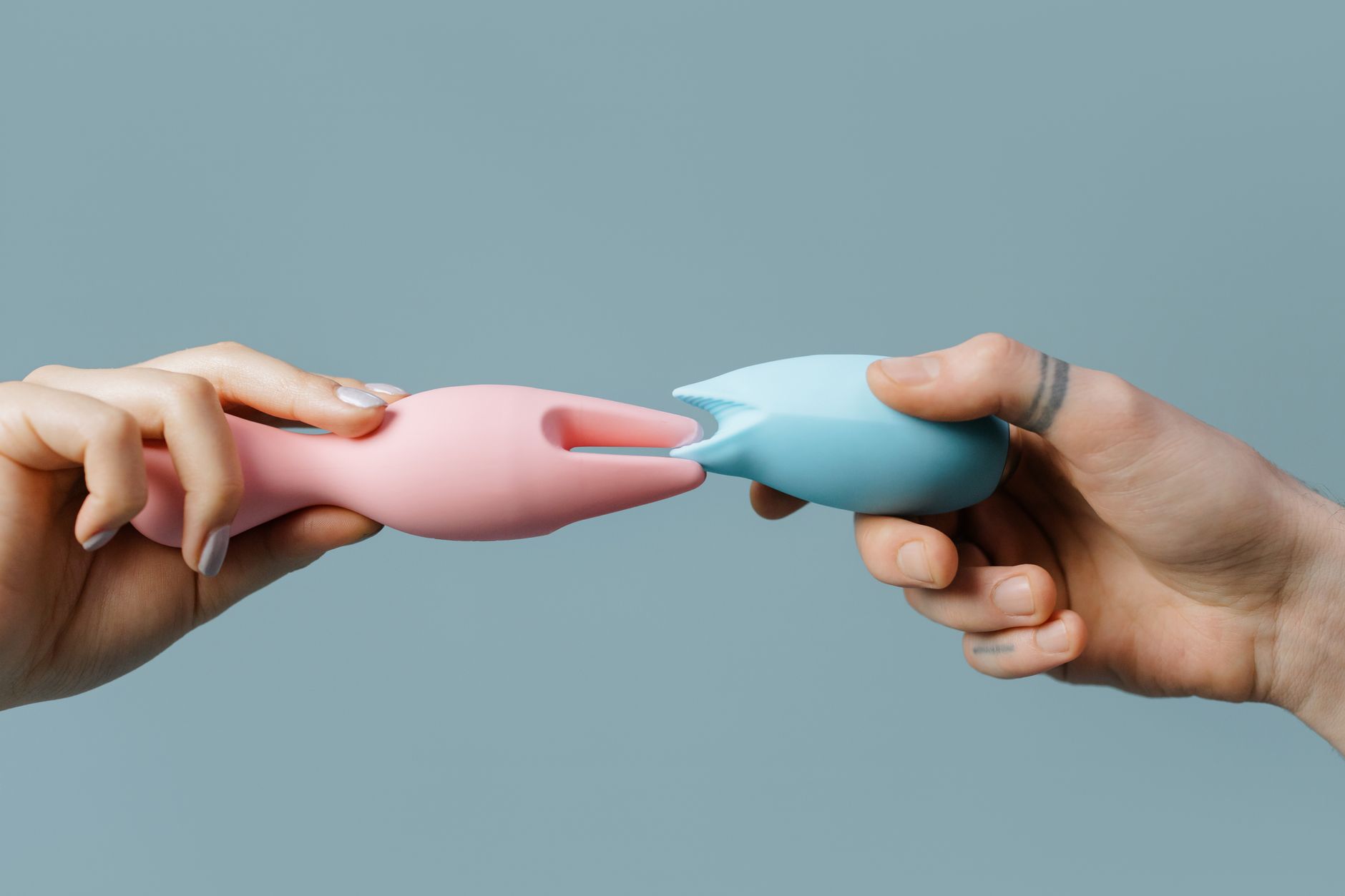
Lemon clitoral vibrators, and suction-based toys more broadly, work through a mechanism that complements the physical changes happening in your body right now.
Unlike traditional vibrators that work through direct friction, lemon vibrators use gentle suction and pulsing patterns. This matters enormously when your clitoral tissue is still recalibrating to normal hormonal cycling. Here's why.
First, suction doesn't require the same kind of direct pressure that can feel overwhelming or even painful when sensitivity is fluctuating. You control the intensity separately from the pattern, which means you can dial in exactly what your body needs on any given day. On days when sensitivity is high, you can use lower suction with a gentler pattern. On days when it feels muted, you can increase both.
Second, suction stimulates nerves in a way that mirrors how bodies naturally respond during arousal. The clitoris engorges with blood, which creates a natural suction sensation during sex. A lemon vibrator does this artificially but predictably. This helps your nervous system remember the pathway to arousal, which is especially valuable when you're relearning your own pleasure after years of pharmaceutical suppression.
Third, the gentle repeated pattern of pulsing feels less jarring than the constant vibration of traditional vibrators. Your nervous system is literally recalibrating. A rhythm-based tool often feels more natural during this transition than constant high-frequency stimulation.
Most people notice significant changes in the first two to three cycles after stopping birth control. By month six, the shift is usually more stable, though full hormonal recalibration can take up to a year.
During this time, I recommend treating pleasure exploration like a gentle experiment, not a performance. Your job isn't to have the same orgasms you had before the pill. Your job is to notice what's happening and respond to it.
Start with your lemon vibrator at lower suction levels and mid-range patterns. Spend time exploring, not rushing to climax. Notice which patterns feel good on which days. Track this informally if it helps. You'll probably start seeing a pattern emerge. Most people find that sensitivity peaks around ovulation and dips during their period, with interesting variations throughout.
If direct clitoral contact feels too intense, try positioning the toy just off to the side, or using it through clothing. The suction sensation still works; it just feels less concentrated.
Remember that rebuilding sensation isn't linear. You might have a week where everything feels incredible, then a week where your clitoris feels almost numb. This is normal neurological recalibration, not a sign that the toy isn't working or that something's wrong with you.
Lowkey, the biggest change isn't physical. It's psychological. For a lot of people, hormonal birth control was supposed to free them from pregnancy anxiety. Coming off it can resurface that anxiety, even if you have other contraception in place. This anxiety doesn't just affect mood; it affects arousal.
Anxiety literally narrows blood flow to your genitals and tightens the pelvic floor, which creates a physical dampening of sensation. This isn't something a better toy will fix. It's something you'll need to address separately, usually through honest conversation with your partner about what you both want contraceptively, and sometimes through talking to a therapist about the emotional weight of reclaiming your fertility.
Lemon vibrators can help your body remember pleasure, but they're not a substitute for addressing the emotional part of this transition. If you're feeling disconnected from arousal or from your body more broadly, consider whether there's an anxiety component worth exploring.
If pain accompanies sensation changes, get that checked. Post-pill hormonal shifts sometimes surface underlying conditions like vulvodynia or clitoral nerve sensitivity that were previously masked by the pill.
If you've been off hormonal birth control for more than six months and sensation hasn't shifted at all, or if arousal has completely flatlined, that's worth mentioning to a gynecologist. Sometimes it takes longer than six months for hormones to fully recalibrate, but sometimes there's an underlying issue like depression or thyroid dysfunction that needs attention.
Here's the part nobody talks about enough. For a lot of people, coming off hormonal birth control is the moment when they finally experience the orgasms they've been told are possible. The hormone cycling, the increased clitoral engorgement during ovulation, the return of that baseline arousal that the pill was suppressing. It can feel genuinely new, even if you've been having sex for years.
Your lemon clitoral vibrator is a tool for meeting your body where it actually is right now, not where it was on the pill. Use it to explore, to learn, to remember what pleasure feels like when your hormones are actually yours again. This transition period is temporary. What's on the other side is often richer, more nuanced, and more genuinely yours than what came before.
Three to six months is typical for most people. Your body has been cycling through birth control hormones for potentially years, and it takes time for your natural cycle to reestablish baseline patterns. By month three, most people notice significant shifts. By month six, the new baseline usually feels more stable. Full recalibration sometimes takes up to a year, especially if you were on the pill for ten-plus years. This doesn't mean something's wrong; it means your nervous system is learning to respond to a completely different hormonal environment.
Not exactly faster, but more deliberately. A lemon clitoral vibrator helps you actively explore your changing sensitivity rather than passively waiting for things to feel normal. By using suction-based stimulation, you're literally teaching your nervous system to respond to a gentler, more rhythmic input pattern. This can help you build new pleasure pathways that feel good in your recalibrated body. You're not speeding up the hormonal timeline; you're using that timeline intentionally.
Because it actually is. Hormonal birth control flattens your estrogen levels throughout the month, so your clitoral tissue stays relatively stable in size and engorgement. Off the pill, estrogen rises and falls naturally. This directly affects how engorged your clitoris becomes. Most people notice peak engorgement around ovulation and less engorgement during menstruation. This cycling is completely normal. It's what your body is designed to do.
Yes and temporarily, often. The first few cycles can feel muted while your nervous system recalibrates. Think of it like your brain expecting one type of hormonal signal and getting a different one instead. This usually settles within a couple of cycles. If orgasms are still significantly less intense after four months, check in with a doctor to rule out other factors like depression, medication interactions, or thyroid issues.
Experiment and notice what works. Many people find that higher suction levels feel better around ovulation when natural engorgement is higher. During menstruation or the luteal phase, gentler patterns might feel more comfortable. There's no right answer here, only what works for your body. Spend a couple of cycles noticing the pattern, then adjust accordingly. The beauty of a tool like the Lem is that you can adjust intensity independently from pattern, so you have real control.
No. Your body's capacity for pleasure doesn't change; the way it accesses pleasure does. The pill didn't reduce your capacity; it just changed the hormonal environment your pleasure response was operating in. Coming off it returns you to your baseline capacity, which is usually richer and more nuanced than while you were on the pill. Some people do report more intense orgasms post-pill than they ever experienced before. Others find their orgasms feel completely different in a way that takes some adjustment. Both are normal variations in how pleasure works when your hormones are cycling naturally.