When desire just stops showing up
Let's be real. You know the difference between "not in the mood tonight" and the kind of libido flatline where you can't even imagine wanting sex. Where a partner initiates and you feel... nothing. No spark, no curiosity, no physical response. Just numbness, or worse, active dread.
That's not low libido. That's a stuck system.
The neuroscience of why zero libido feels different
Your nervous system has essentially gone offline. Here's what's actually happening neurologically: desire lives in the dopamine pathway. When stress, depression, relationship fatigue, or just chronic disconnection gets bad enough, your brain stops producing the baseline dopamine needed to even register sexual possibility.
This is different from responsive desire, which some people navigate just fine. This is the complete absence of both spontaneous and responsive desire. Your system isn't saying "not right now." It's saying "this isn't a thing I do anymore."
The problem with typical advice ("just relax," "have date night," "communicate more") is that it bypasses the actual problem. You don't need to relax into desire you can't feel. You need to restart the neural pathway first.
Why this matters for your relationship
When desire has been gone for months or years, the relationship narrative often becomes "we're just not compatible anymore" or "the spark died." Sometimes that's true. But more often, one person's flatlined libido gets misread as rejection. The partner feels abandoned. The person with zero desire feels broken. Nobody knows how to fix it without blaming someone.
The neuroscience reframe changes everything. This isn't a character flaw or a sign of how you feel about your partner. This is a nervous system that got tired and went quiet. That's fixable.
How lemon vibrators restart the dopamine circuit
Lemon clitoral vibrators work through a very specific mechanism when libido is at zero. They provide consistent, predictable stimulation to the clitoris without requiring you to already feel desire. You don't have to be aroused first. You don't have to want it. You just have to try it.
Here's the magic: suction-based stimulation (which a lemon vibrator delivers) bypasses the performance anxiety that kills arousal in the first place. There's no friction to calibrate, no numbness from overdoing intensity, no "am I doing this right" spiral. Just sensation.
Your clitoris responds to that sensation. And when it does, dopamine fires. Not because you wanted it to. Because your nervous system is wired to respond to consistent, pleasant input.
Do it three times. Then five times. After a few weeks, something shifts. Your brain starts remembering that pleasure is possible. The pathway reactivates.
The restart protocol that actually works
This is different from using a lemon vibrator when you already have some libido. When you're at zero, the goal isn't orgasm. It's sensation recognition.
Here's what I recommend to couples where one partner has completely flatlined:
Week 1-2: Solo exploration, no pressure. Use your lemon vibrator alone. Five to ten minutes, two or three times a week. Don't chase orgasm. Don't expect to feel turned on. Just notice what the sensation feels like. Attention is the point.
Week 3-4: Add minimal context. Use it at a time when you're not stressed or depleted. Early evening, not late night when you're wired from work. Maybe with music. The context signals to your nervous system: "this is something we're doing on purpose."
Week 5+: Introduce your partner as audience, not participant. This is weird but powerful. Your partner is in the room, maybe reading, maybe just present. Not watching intensely. Just... there. This rewires the association between your own pleasure and your relationship. It says: I can have pleasure, and my partner is safe to be around while that happens.

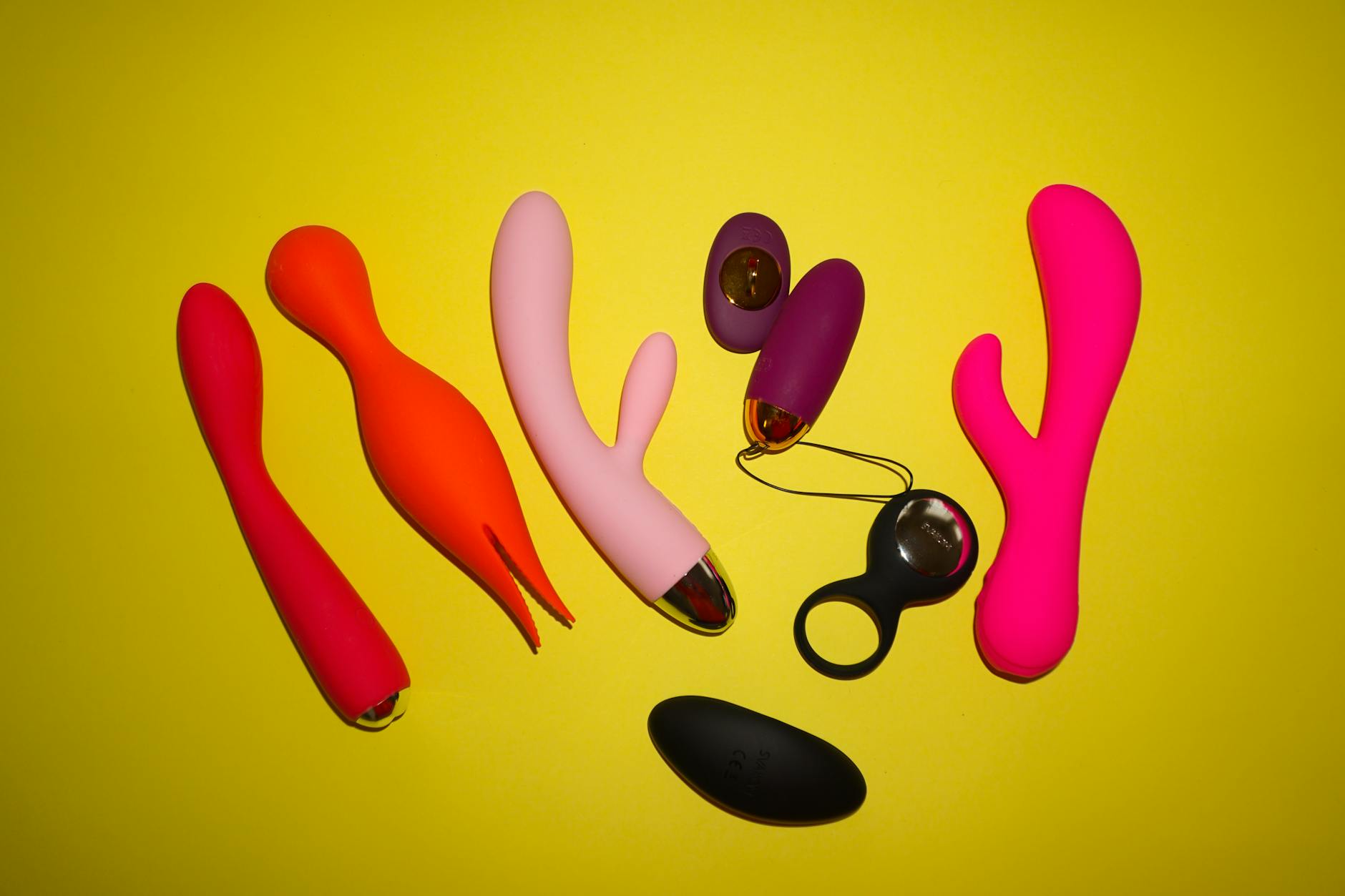
Photo by cottonbro studio on Pexels
What's really happening in your brain during this
You're not forcing arousal. You're rebuilding the anticipation circuit. After enough repetitions of "I did something for my pleasure, and it felt good," your brain starts predicting pleasure when it sees the setup. That prediction is dopamine. That dopamine is the beginning of desire.
It takes weeks, not days. The nervous system moves slowly. But every person I've worked with who stuck with this protocol for six weeks reported something shifting. Not "I'm suddenly super horny." But "I thought about it today," or "I felt something," or "I actually wanted my partner to touch me."
That's the restart.
The conversation to have with your partner
This protocol only works if your partner understands what's happening. Tell them: "My libido has flatlined. This isn't about you. It's a nervous system thing. I'm going to restart it by using a lemon vibrator regularly, and I need you to know this is clinical, not rejection."
If they can sit with that without making it weird, great. If they can't, that's different information about your relationship. But the restart still works either way. You're not doing this for them. You're rewiring your own capacity for pleasure.
When to add your partner back in
Once you can feel sensation and anticipate it, the next phase is partnered pleasure. And here's where lemon vibrators shine differently. Because they provide consistent, reliable stimulation without fatigue or performance anxiety, they actually make partnered sex easier when you're coming back from flatline.
Your partner can be present while you use it. You can guide them. Or they can just watch, and then you move into partnered touch. The Lem vibrator acts as a bridge. It proves to your nervous system that pleasure plus partnership is safe.
What happens if nothing shifts after six weeks
If you've done this consistently and genuinely nothing has changed, that's information worth sitting with a therapist about. Sometimes flatlined libido signals depression that needs professional treatment. Sometimes it's a relationship dynamic that's too stuck to restart without outside help. Sometimes there's an underlying medical issue (thyroid, hormones, medications) that needs addressing.
But in my experience, most people who hit zero libido and feel stuck have simply gone so long without any sensation that their nervous system forgot it was possible. The restart protocol works because it's not trying to force desire. It's just gently reminding your body that pleasure exists.
The permission you actually need
Maybe the hardest part isn't the technique. It's giving yourself permission to take your own pleasure seriously when you've spent months or years not feeling it. To invest in a lemon vibrator when you're not even sure you want sex. To prioritize sensation when you've been numb.
But that permission is the restart itself. You're not broken. You're just offline. And offline systems come back online when someone signals to them: this matters, we're doing this, try again.
Common questions about restarting libido with lemon vibrators
How long does it actually take to feel desire again after flatline?
Most people report the first shift between week 4 and week 8 of consistent use. By three months, most notice genuine anticipation returning. But "consistent" matters. Once a week won't do it. Three times a week is the minimum threshold where your nervous system gets the signal strongly enough to respond.
What if my partner thinks using a vibrator means they're not enough?
This is where the conversation matters. Tell them: "A lemon vibrator is helping me restart my nervous system. This isn't about you being inadequate. This is about me recovering capacity that depression or stress has taken offline. When I'm reconnected to my own pleasure, that makes partnered sex better for both of us." If they still can't hear that, that's a relationship issue separate from the vibrator.
Can I still reach orgasm if I've been flatlined for years?
Yes. The clitoris doesn't lose capacity just because it's been inactive. Sometimes orgasms take a while to return because your nervous system is cautious. But using a lemon vibrator consistently retrains that response. It's like a muscle that's been dormant. It needs practice to wake up.
Should I use lube even if I'm not aroused?
Yes. Water-based lube protects tissue and makes the sensation feel better. Just because you don't feel wet doesn't mean you shouldn't lubricate. It's not about being turned on. It's about being gentle to yourself.
What if sensation still feels numb after a few weeks?
That can mean you need more time, or it can signal that something else is going on. Some medications kill sensation. Depression or anxiety can make everything feel muted. If you're not feeling anything after four weeks of consistent use, talk to a doctor about whether there's an underlying issue worth addressing alongside the pleasure work.
How do I know when I'm ready to involve my partner?
When you can use your lemon vibrator without it feeling like a chore. When you've felt some pleasure, even small. When the idea of your partner being present doesn't spike your anxiety. You don't need to be fully aroused. You just need to be willing.
You're not actually starting from zero
Here's what I know after working with dozens of couples who've hit this flatline: your capacity for pleasure didn't disappear. It went dormant. And dormant systems wake up faster than you think when they get the right signal.
A lemon vibrator is that signal. It says: your pleasure matters. Your body is capable. Let's try again.
Start this week. Not when you feel ready. Now. Because readiness isn't waiting around anymore. Readiness is the first time you feel something shift.
Resources and further reading
If you want to understand more about the neuroscience of desire, Esther Perel's "Mating in Captivity" explores how desire dies in long-term partnerships and what rebuilds it. For the nervous system angle, Bessel van der Kolk's "The Body Keeps the Score" explains why somatic (body-based) approaches like vibrator use work for trauma and shutdown. Both offer frameworks that complement what you're doing with a lemon vibrator. The work you're doing is real work. It matters.